 will stedden
For about seven years now, my partner Claire and I have been running a slow experiment that we eventually started calling Solarpunk Travel. From the outside it mostly looked like a sustainable travel blog and social media account. But the longer we did it, the more I’ve come to think of it as something closer to a piece of durational art, in the spirit of something like Tehching Hsieh’s one-year performances, where the work isn’t any single object but the act of living by a rule for a long time and seeing what it does to you.
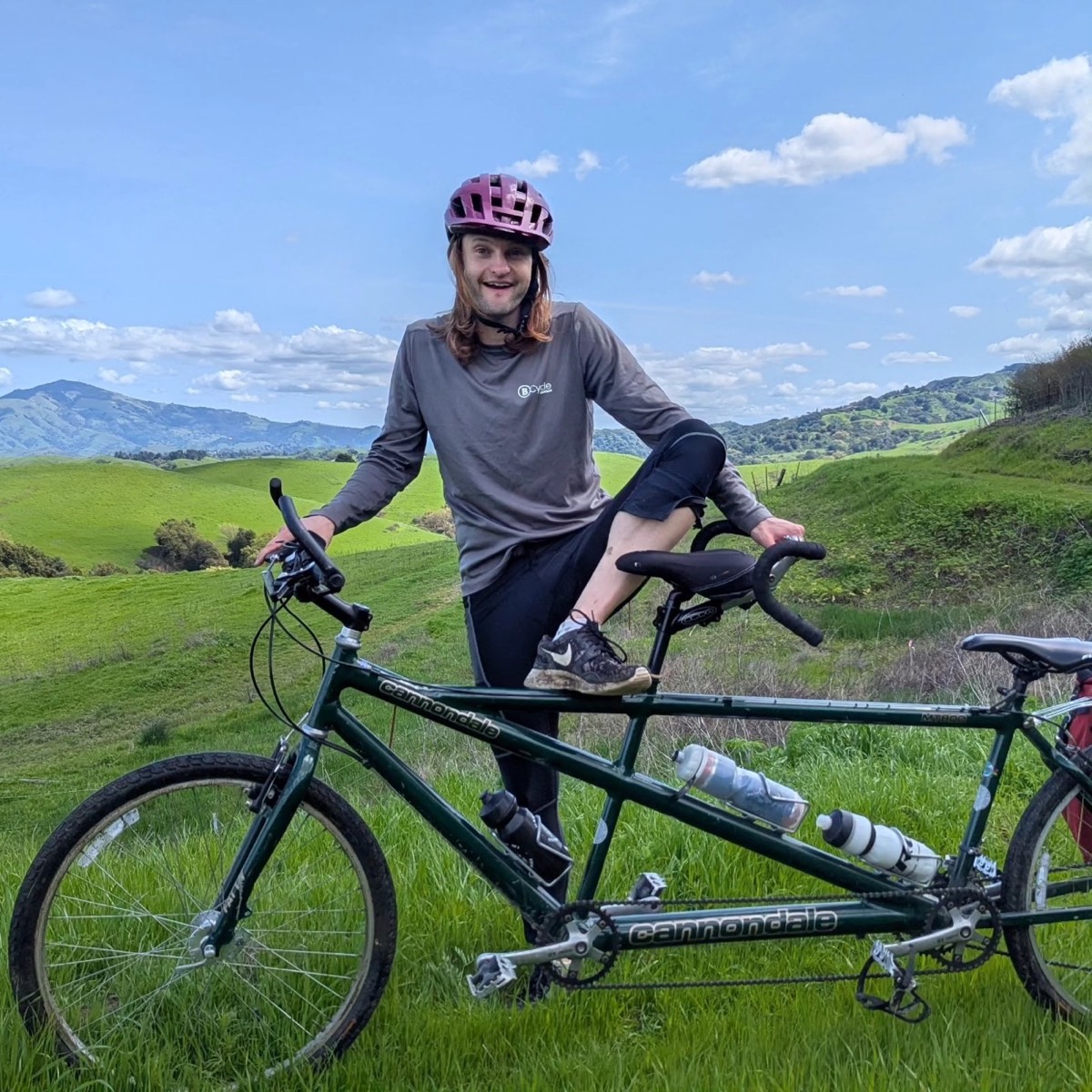
Our rule was simple: stay on the ground. No flying. Get places by bike, by train, by bus, or on foot, and if it’s too hard to get somewhere that way, maybe we didn’t really need to be there that badly anyway.
The meaning of the project changed a lot while we were in the middle of it. It started out as a very public statement about how living sustainably can be fun and fruitful, but over time it became more about how we wanted to experience the world.
The statement
The idea started as a pretty straightforward protest against overconsumption of energy. Flying is one of the single most energy-intensive things a normal person can do. A cross-country round trip can easily burn through a larger share of your personal carbon budget than months of everything else you do. And in 2019 there was a growing flight-free movement out of Sweden, people talking about flygskam, slow travel getting written up in magazines. We took the pledge that year, inspired in part by climate scientist Peter Kalmus, and eventually even ended up in the magazines ourselves. I even got Jeff Dean to sign a petition to make ML conferences allow virtual presentation. It felt like we could be part of something.
The pandemic hit while we were starting this, and I honestly believed that we were going to come out of it different. People had learned they could work from anywhere, that they didn’t need to commute, that the cities were quieter and the air was cleaner without all the cars. It didn’t seem crazy to think we might redesign life around something like degrowth, or at least a little less growth, and that lifestyle changes from people like us would snowball into a systemic change.
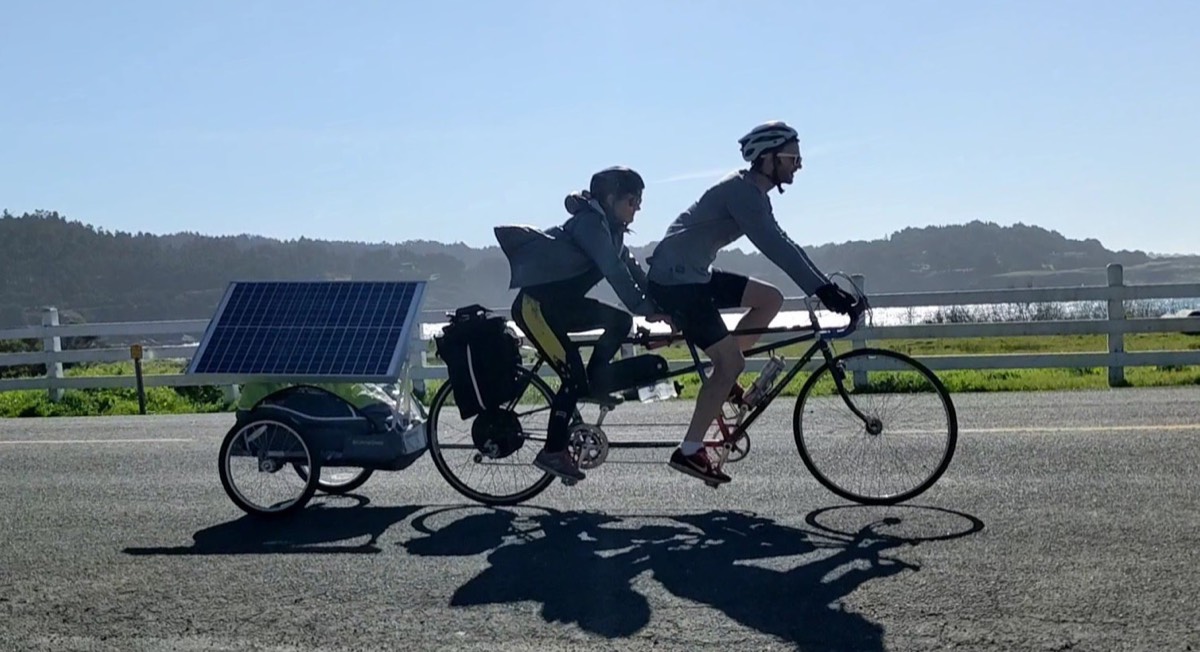
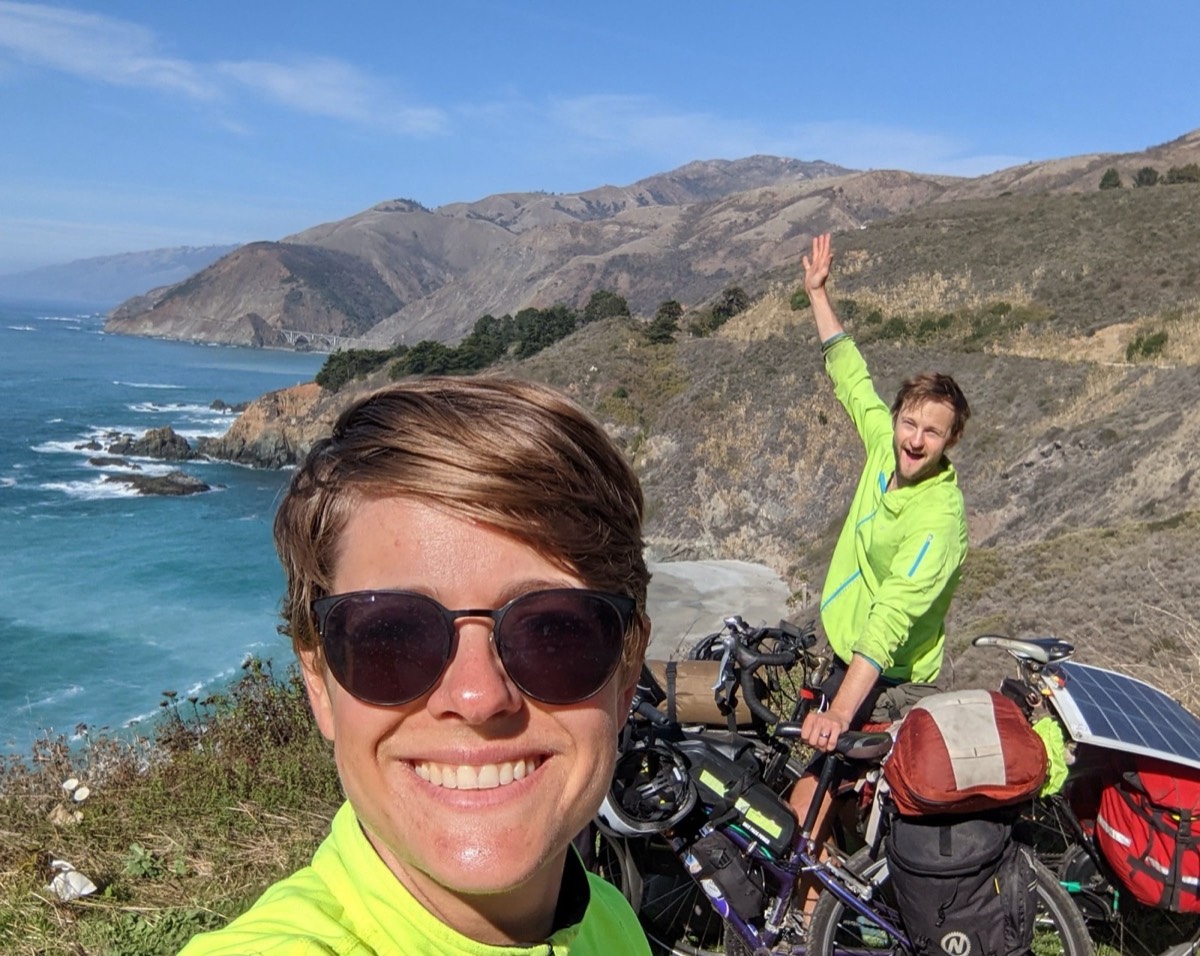
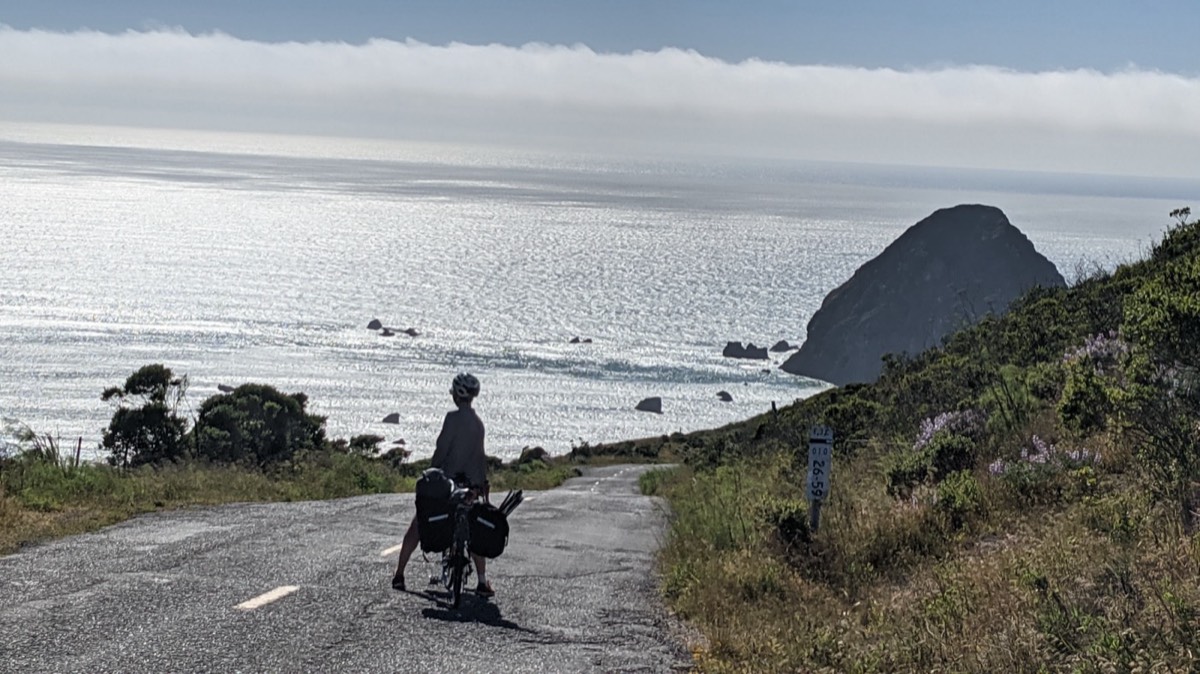
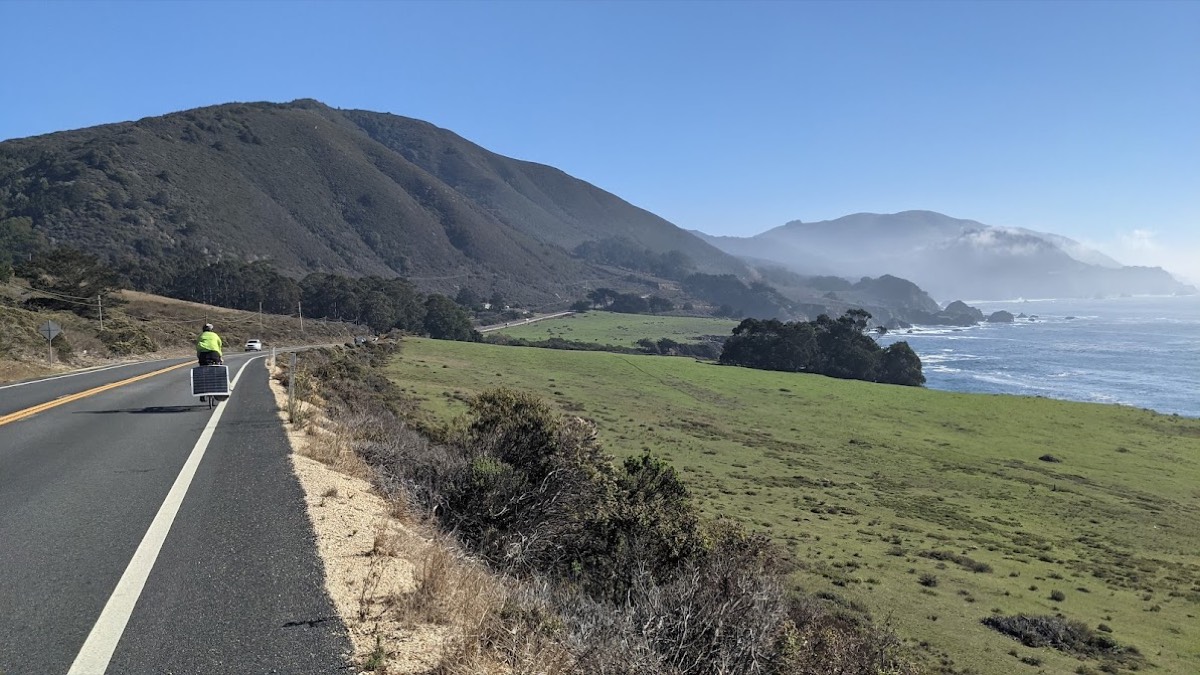
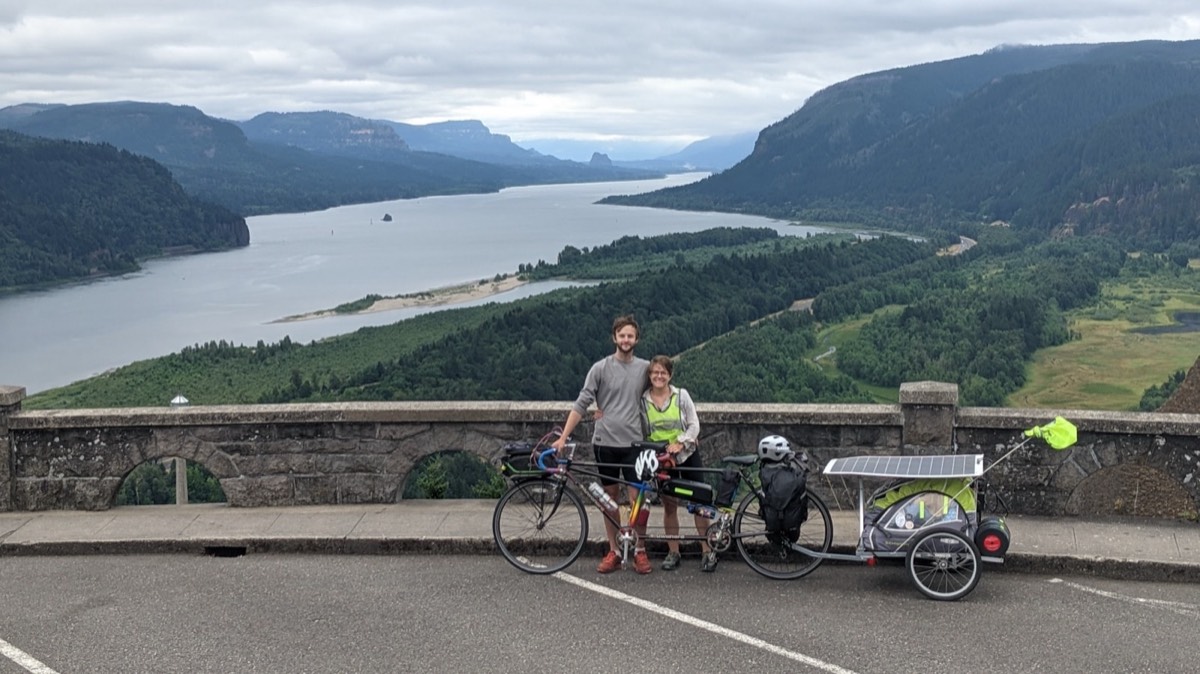
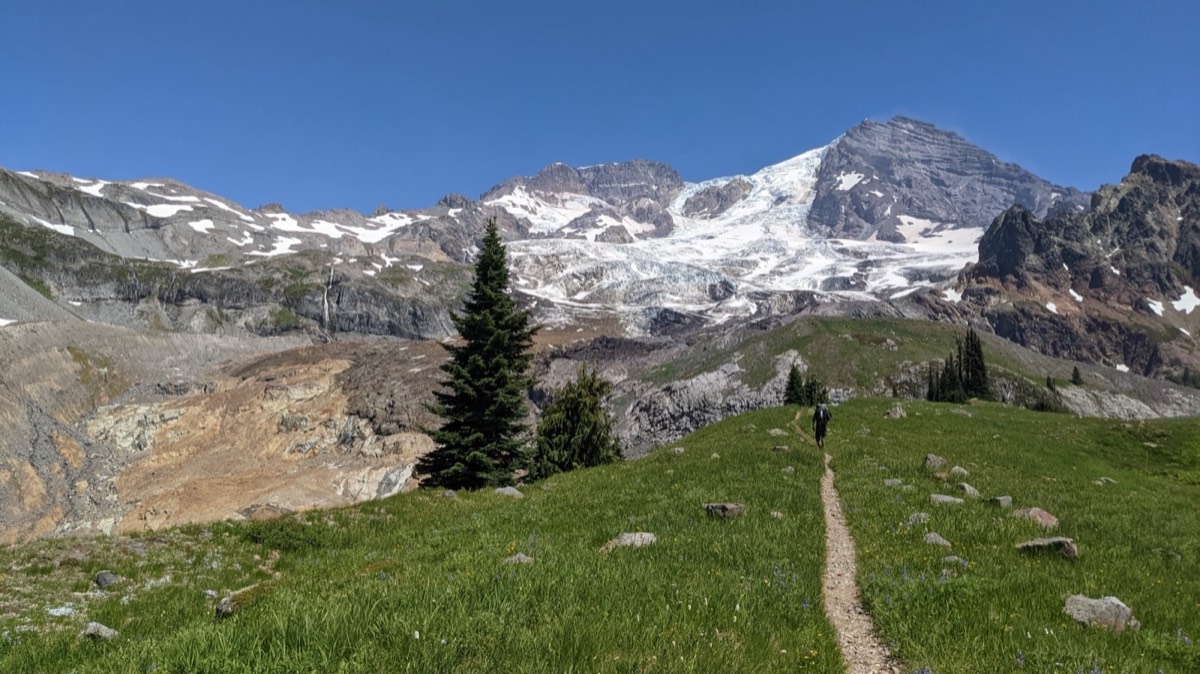
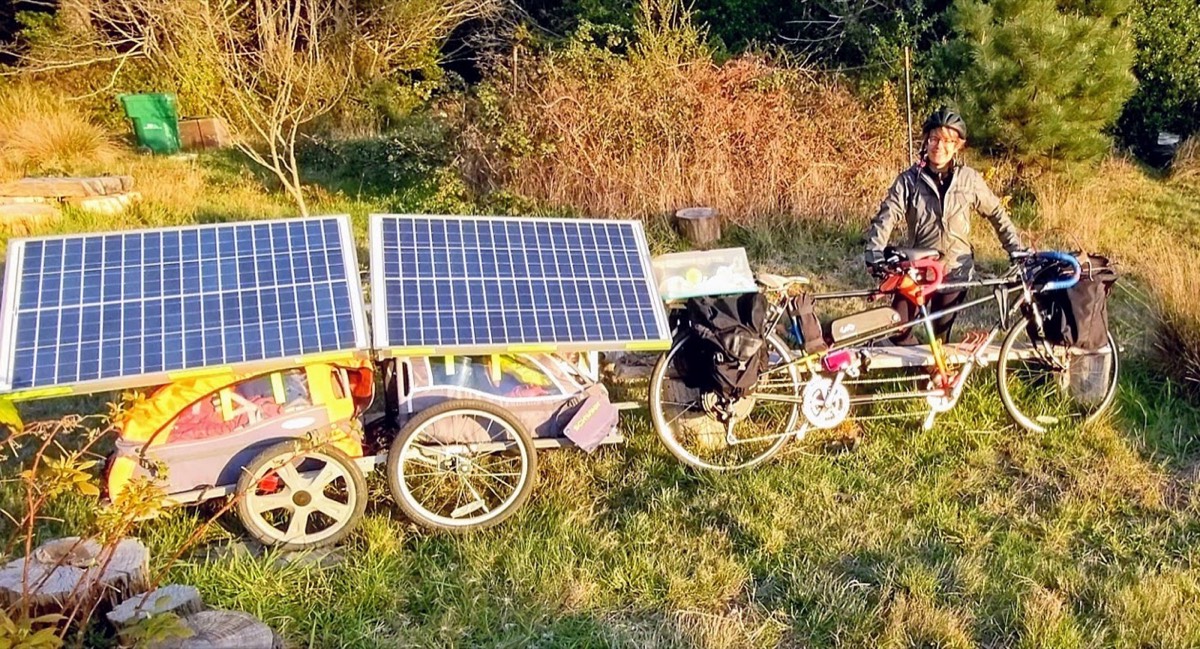
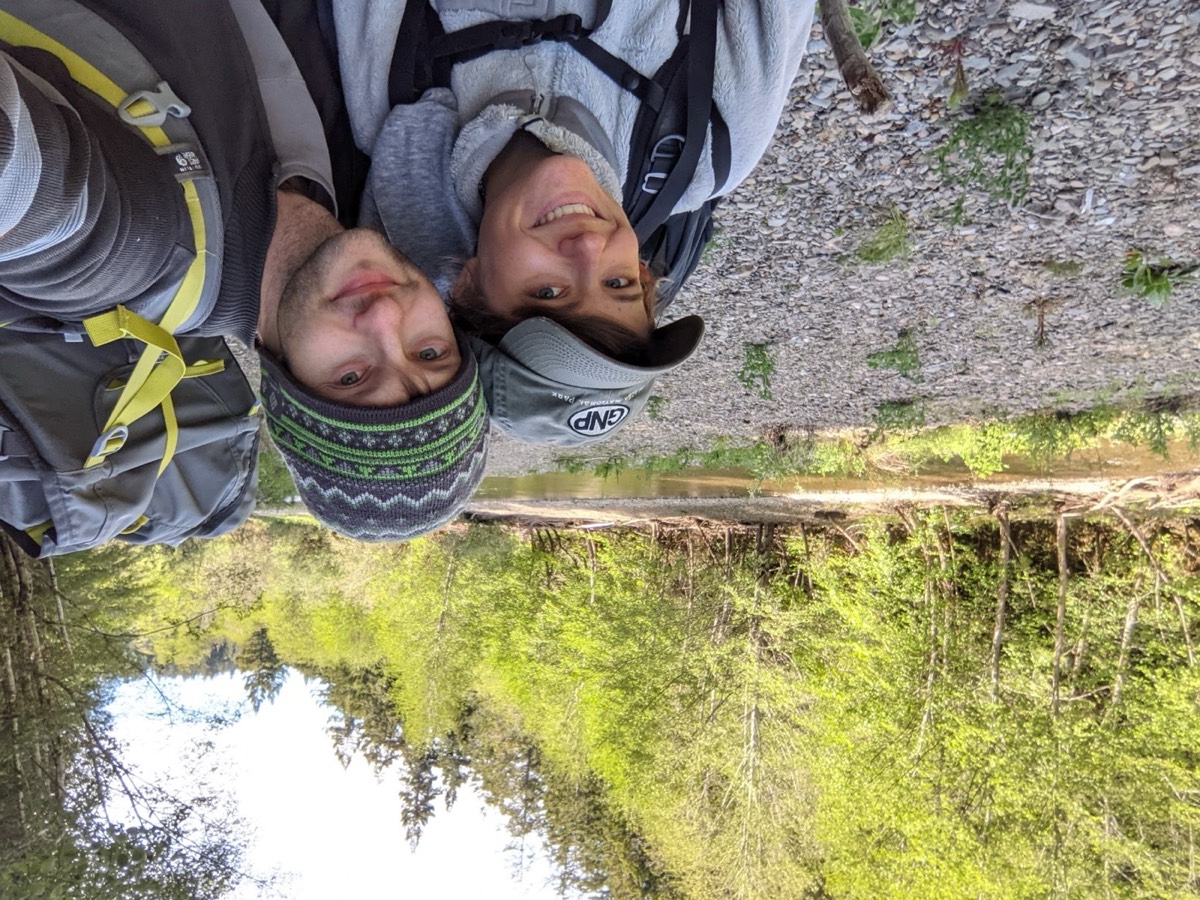
Buoyed by this optimism, in June of 2021 we set out on a solar-powered ebike tour of the Pacific Northwest hoping to both live our values and show people what a cool adventure slow travel actually was. By that fall, we’d sold our car and given away half our stuff, and decided to keep going and change our life more permanently. We decided to extend the trip and to slowly migrate to the Midwest so we could live closer to family and build community. We were visiting cooperatives, working on farms, and documenting how you could travel in a way that would be possible for everyone to do. Our mission statement on the site put it as a question:
Could everybody in the world live at the level of consumption that I’m living at for 10 generations without destroying the planet?
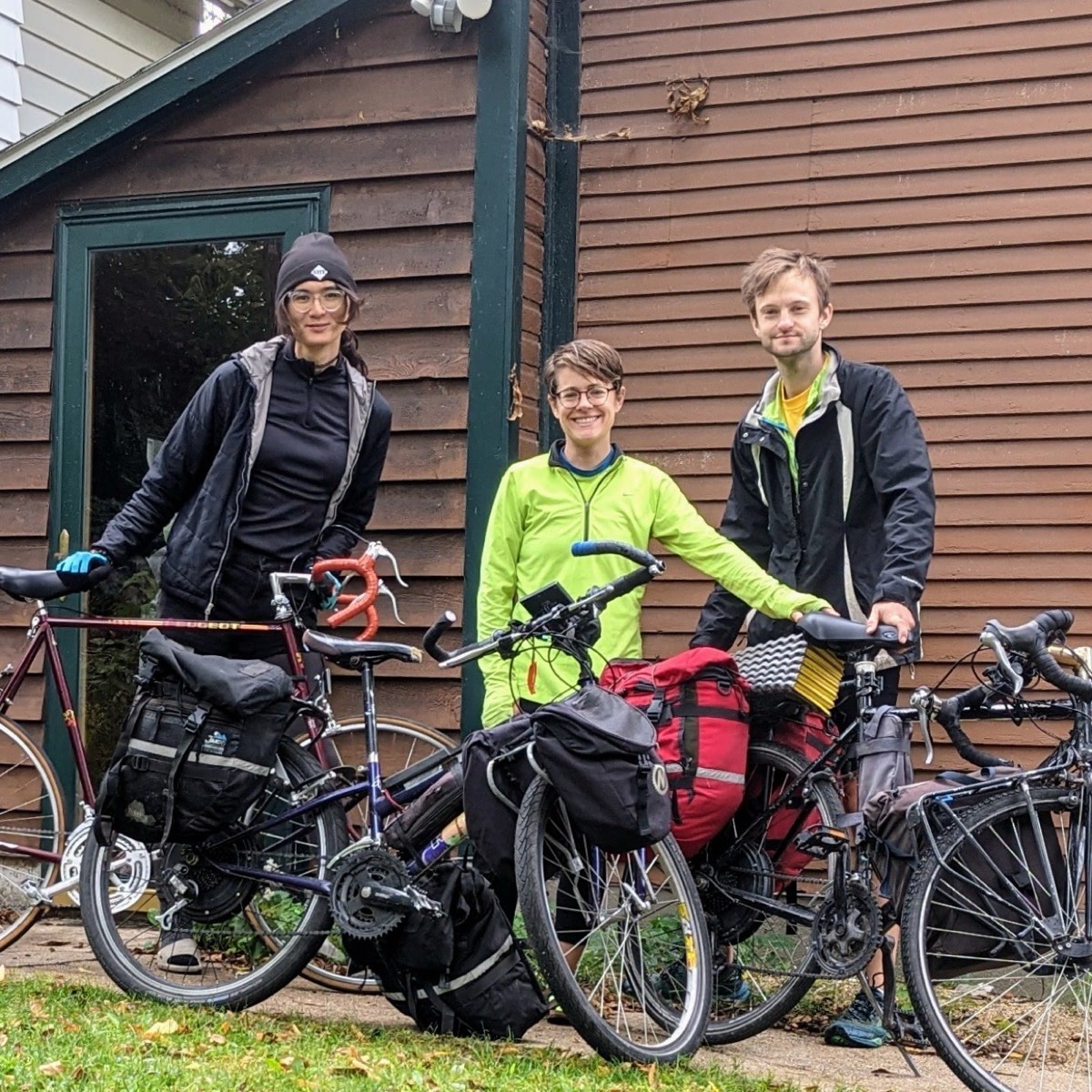
Along the way, we met a lot of people who were genuinely living that answer. Farmers on the San Juan Islands, off-grid homesteaders in the New Mexico desert, a solar company in Tucson that started out delivering panels by bicycle, bike co-ops in nearly every city we passed through. For the first few months, I thought we were seeing the start of something.
The realization
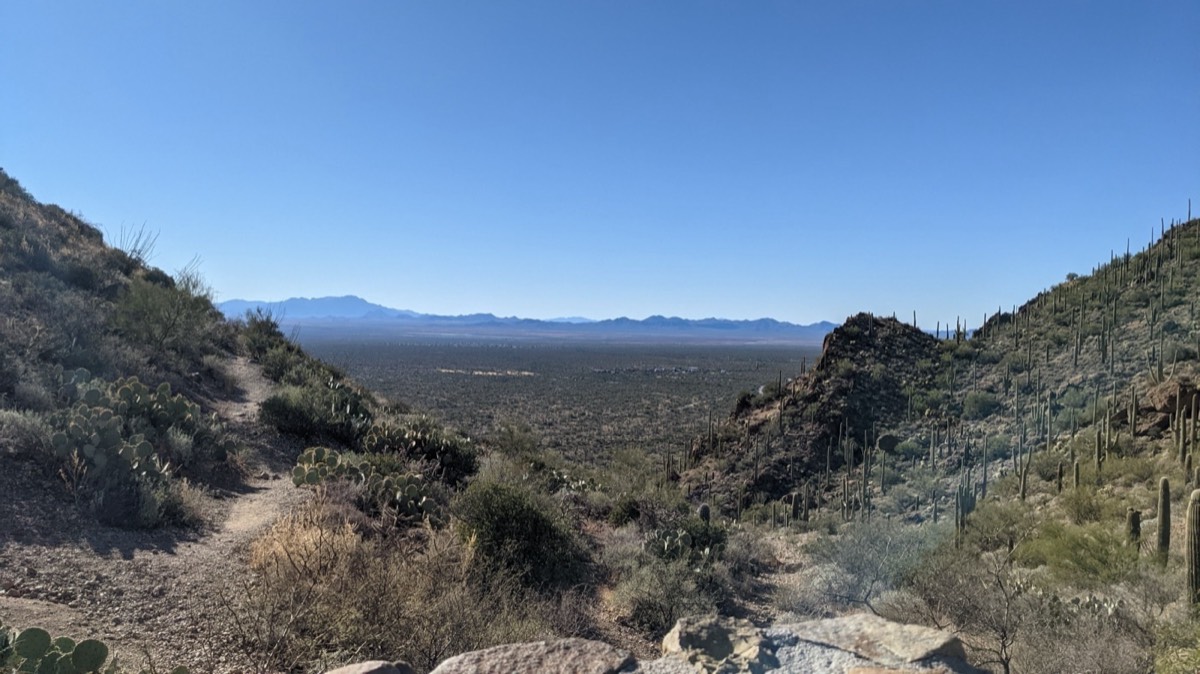
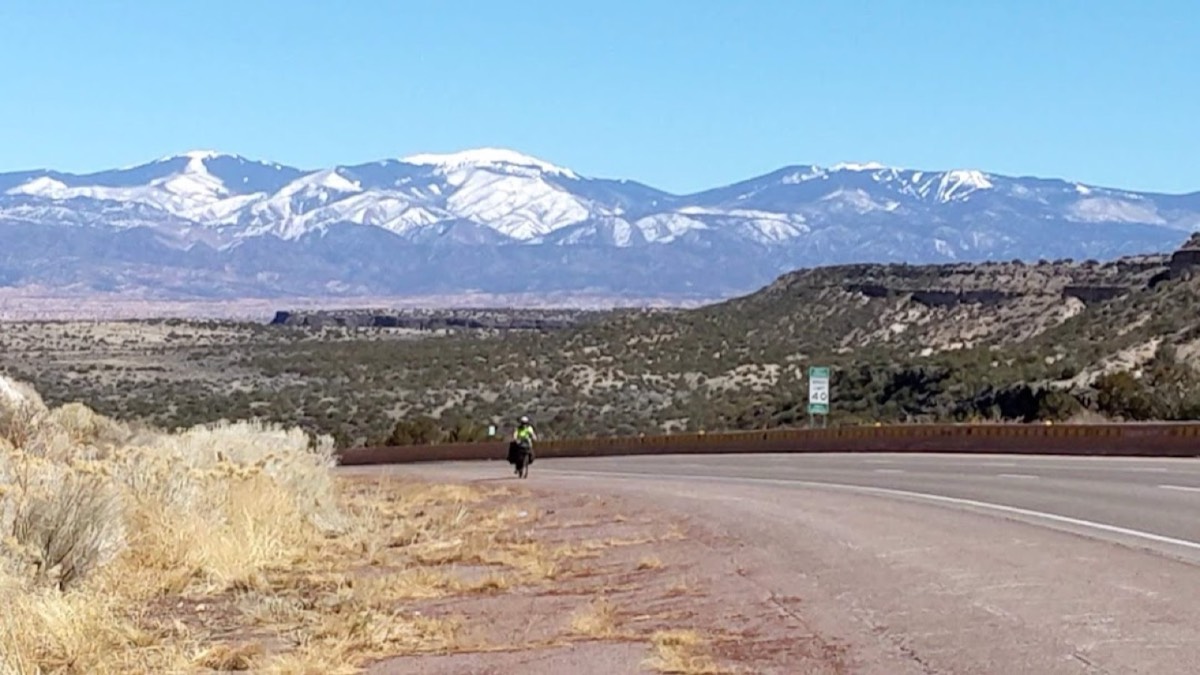
But somewhere around the middle of our trip, roughly the winter we spent riding across the Arizona and New Mexico desert, it started to become pretty clear that the world wasn’t waking up. Air travel was already rebounding toward pre-pandemic levels. Everybody went back to the office, or at least back to the same consumption patterns they had before. There were a lot of people who had decided to live differently during that time, but a lot more were tired of the change and wanted to go back to the glitzy old ways. We weren’t watching a movement grow so much as finding the people who’d been doing this all along.
Nobody told us we were wrong. It was more of a slow realization, the same way I noticed people freeze up whenever I mentioned the environmental part of bike touring. Most people just weren’t going to change, and our example wasn’t going to be the thing that changed them.
So what was the point anymore? Over the second half of the trip and the years that followed, I think the piece split into two different things.
Part 1: Living morally even if it doesn’t change anything
The honest math
I want to be honest about the math here, because I think a lot of climate messaging isn’t. Me not flying does almost nothing. Airlines set their schedules months in advance, and planes don’t fly completely full anyway, so when I don’t buy a seat, the plane almost certainly takes off regardless. There is a real effect though: at the margin, the fare drops a few dollars and someone else who wasn’t going to fly buys the seat. So my missing demand decreases the airline’s reinvestment and profitability by a tiny tiny tiny fraction. But it isn’t really even the equivalent of 1 seat on the plane.
If you zoom way out, and imagine thousands of people stopping that would eventually lead to planes being grounded or delayed expansion. But even that still wouldn’t show up in any way that matters. We’re already so far past the point where warming was avoidable that the difference between this world and that world would be imperceptible in the temperature record. Aviation is a few percent of global emissions. Our individual choices are a rounding error on a rounding error.
Philosophers have actually argued about this exact problem. Derek Parfit listed it among his “mistakes in moral mathematics”: the belief that if an act’s effects on other people are imperceptible, then the act can’t be wrong because of those effects. His thought experiment is the harmless torturers, a thousand people who each turn a dial that increases a thousand victims’ pain by an amount too small for anyone to notice. No single torturer makes anyone perceptibly worse off, and yet together they’ve committed torture. Parfit’s conclusion is that each one of them is doing something wrong.
I find that pretty convincing, and it’s a decent answer to the rounding-error problem. But it still frames the whole thing in terms of outcomes, just outcomes that are spread very thin. So I don’t believe not flying saves the planet, and I’ve made my peace with that. What I want to argue is that it matters for reasons that don’t depend on the outcome at all.
Fairness in a finite world
But I do think it matters for a different reason, and it’s a reason about fairness rather than impact. We live in a world that is resource-constrained. There is only so much carbon that can be emitted before things get much worse than they already are, and there’s only so much of everything else too. If you divide that up evenly among everyone alive today, and leave something for the people who come after us, each person gets a share. When I consume much more than my share, I’m not just doing something “unsustainable” in some abstract sense. I’m effectively taking from someone else. From somebody in a country that will flood or burn first. From my own descendants.
Is that a moral way to live? I don’t think it is, even if nobody ever catches me, and even if the outcome is the same either way. Most of us wouldn’t pocket money from a stranger’s wallet just because we were confident they’d never notice, or because the stranger was going to lose it anyway. So for me the question is less about whether my taking changes the outcome, and more about whether I want to be someone who takes.
Acting as if everyone lived this way
When we wrote our mission question, could everybody in the world live at the level of consumption that I’m living at for 10 generations, we were trying to communicate the notion of fairness succinctly. But I’ve realized it’s also basically a restatement of Kant’s categorical imperative:
Act only according to that maxim whereby you can at the same time will that it should become a universal law.
The important thing about Kant’s test is that it doesn’t ask what will happen because of your specific act. It asks whether the rule you’re living by could be everybody’s rule. And when you apply it to flying, the answer is not ambiguous. A single cross-country round trip comes out to somewhere between one and two tonnes of CO2-equivalent per passenger, depending on how you count the effects of emissions at altitude. A fair share for one person’s entire year of consumption by 2030 is about two and a half. “Fly whenever it’s convenient” is a maxim that simply can’t be universalized. If everyone did it, there’d be nothing left for food or heat or anything else.
That’s also why Kant calls it categorical. A hypothetical imperative says “if you want X, do Y,” and it stops applying the moment you stop wanting X. A categorical one doesn’t depend on what you want or on what results. So the objection that “it won’t change anything” just isn’t relevant to it. For Kant, what matters is whether I’m living by a rule I could defend if everyone lived by it.
Kant has a second formulation that I think fits even better: treat people always as ends in themselves, and never merely as means. When I burn through my share and somebody else’s, the people downwind of that decision, in Bangladesh or in the year 2080, become a means to my convenience, and they don’t get any say in it.
Kant’s weakness, at least for me, is that it’s all so solitary. It pictures morality as a lone person in a study reasoning out universal laws from pure logic. And that’s not really how anyone I met on our trip was living.
Living rightly without reward
I want to be careful here, because “Indigenous philosophy” isn’t one thing, and I’m an outsider learning about these traditions secondhand. But I want to mention a few ideas that come out of specific Indigenous traditions in North America that I think also point this out without necessarily getting into all the fancy rhetoric of Kant and Parfit.
The first is the Haudenosaunee seventh generation principle, traditionally attributed to the Great Law of Peace: that decisions made today should be weighed against their effect on people seven generations from now. I think this idea has become entrenched enough in the zeitgeist that it influenced our “10 generations” question above.
The second is what the Potawatomi botanist Robin Wall Kimmerer describes in Braiding Sweetgrass as the Honorable Harvest, a set of guidelines for taking from the living world: ask permission, take only what you need, never take more than half, use it respectfully, share it, give thanks, and give something back. What strikes me most is her point that these guidelines aren’t written down anywhere, or even consistently spoken of as a whole. They’re reinforced in small acts of daily life.
That’s what’s so different from both Kant and from modern Western life. There’s no external enforcement and no reward, and nobody is checking. You live rightly because that’s what it means to be a member of your community, and your community includes the land, the animals, the people around you, and the people who haven’t been born yet.
This is also the kind of morality that I think should be easy to digest in the US. The strange question is: why doesn’t the average person see the immorality of living beyond a sustainable level?
The trouble with homo economicus
I think the problem might stem from the mental model of the human psyche that most of Western economics is built on, homo economicus: a rational, self-interested agent who’s always maximizing their own utility. Under that model, my decision not to fly isn’t noble, it’s just irrational. I pay the full cost of the sacrifice, and everyone else shares the tiny benefit. Standard economics would say the correct move is to free ride: fly, and let other people worry about the atmosphere.
Scale that logic up and you get Garrett Hardin’s tragedy of the commons, the idea that any shared resource will inevitably be destroyed because each individual is better off taking a little more. The atmosphere is the biggest commons there is, so by that story, we’re doomed.
But this is where the model starts to fall apart. Elinor Ostrom won a Nobel Prize for showing that real communities manage shared resources successfully all the time, for centuries, through exactly the kind of norms, trust, and mutual obligation that homo economicus is supposed to make impossible. And when sociologists actually tested the free rider hypothesis in the lab, most people didn’t free ride. They contributed to the public good even when it cost them. The group that came closest to behaving like homo economicus? Economics graduate students.
I think that result says a lot. Homo economicus isn’t really a description of how people are. It’s a description of how we’ve taught people to be, and the more we teach it, the more true it becomes. Every advertisement, every loyalty program, every “treat yourself” is training us to treat life as an optimization problem where the variable being optimized is our own pleasure. If you’re homo economicus, taking a cheap flight somewhere nice for a long weekend is a perfectly rational thing to do.
Is a moral life a happier one?
The obvious response is: fine, maybe it’s more moral, but isn’t it just less fun? If everyone’s trying to maximize their happiness, and I’m voluntarily giving up things that would make me happy, aren’t I just worse off?
I actually believe the opposite. I think living morally leads to a happier life, and I don’t think that’s just a comforting story.
To start, the evidence that getting more of what you want makes you happier is surprisingly weak. People adapt to almost any improvement in their circumstances and drift back toward where they started, the so-called hedonic treadmill. A meta-analysis of more than 250 studies found that people with more materialistic values consistently report lower well-being. Meanwhile, people who were randomly assigned to spend money on others ended up happier than people who spent it on themselves.
None of this would have surprised Aristotle, whose idea of eudaimonia is usually translated as “happiness” but really means something closer to flourishing. For Aristotle, you don’t become happy and then act well. Acting well is a big part of what being happy is.
And then there’s the personal evidence, which is admittedly anecdotal. I’ve written before about carbon fragility, the defensiveness that people feel when the gap between what they know and how they live gets pointed out. I think living with that gap is uncomfortable, and it takes ongoing effort to keep the cognitive dissonance out of mind. When we stopped flying, a lot of that went away. The way I lived matched what I believed a lot better, and I didn’t have to spend as much energy explaining it to myself.
It’s not free. It costs real things, and I’ll get to that at the end. But in the same way that I argued in Philosophical Grind that we should act as if our actions matter, because that’s the only kind of universe where acting could matter anyway, I think we should act as if morality and happiness point in the same direction.
I know I have an experience and viewpoint on the world that might differ from the norm, but I can’t quite get to a point of contentment and happiness without morality. And, as I’ll describe in the next part, they may be coupled in more tangible ways than just my own self-knowledge of my moral superiority.
Part 2: The world is big
The other thing that happened is less about morality and more about perception, and it’s the part I’m most grateful for.
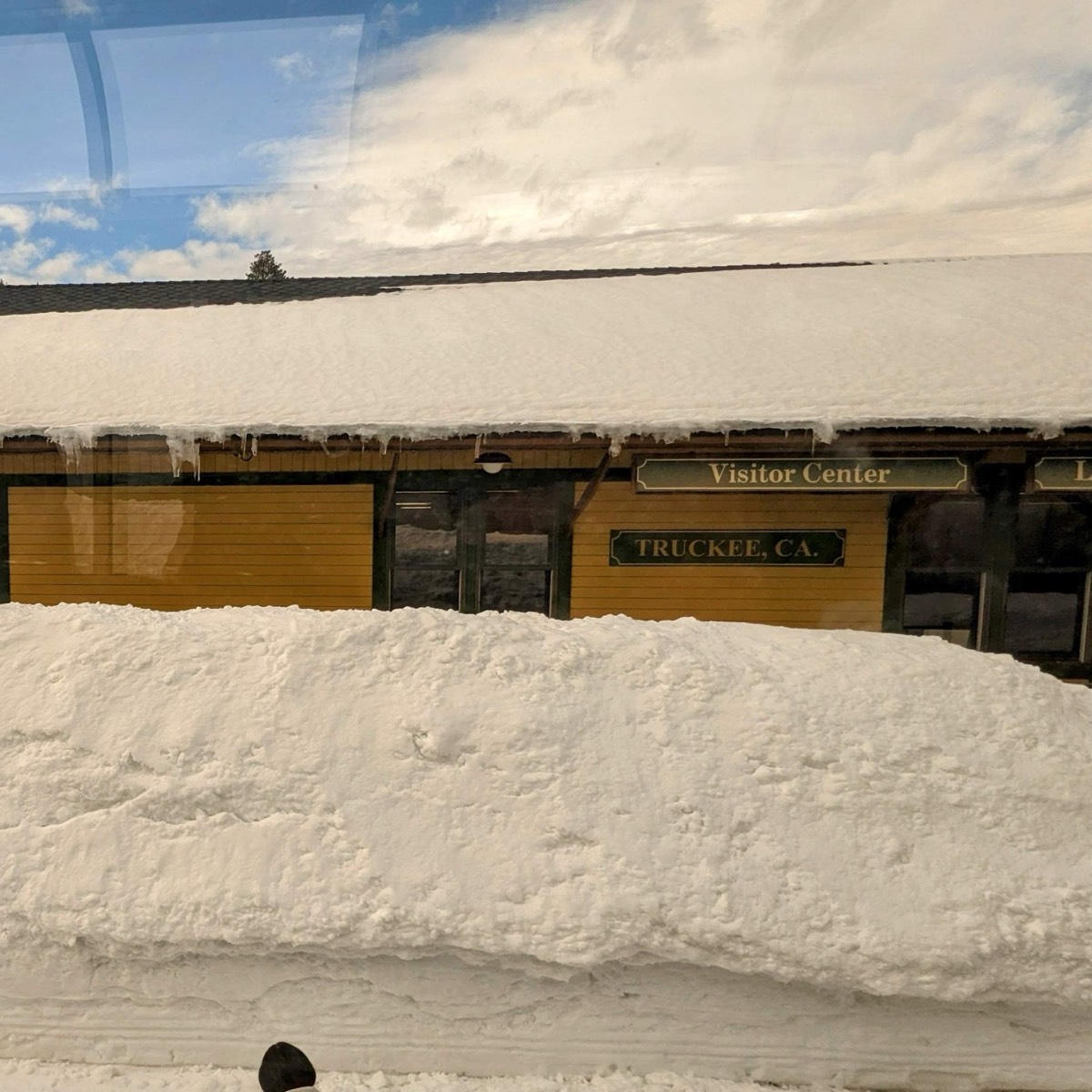
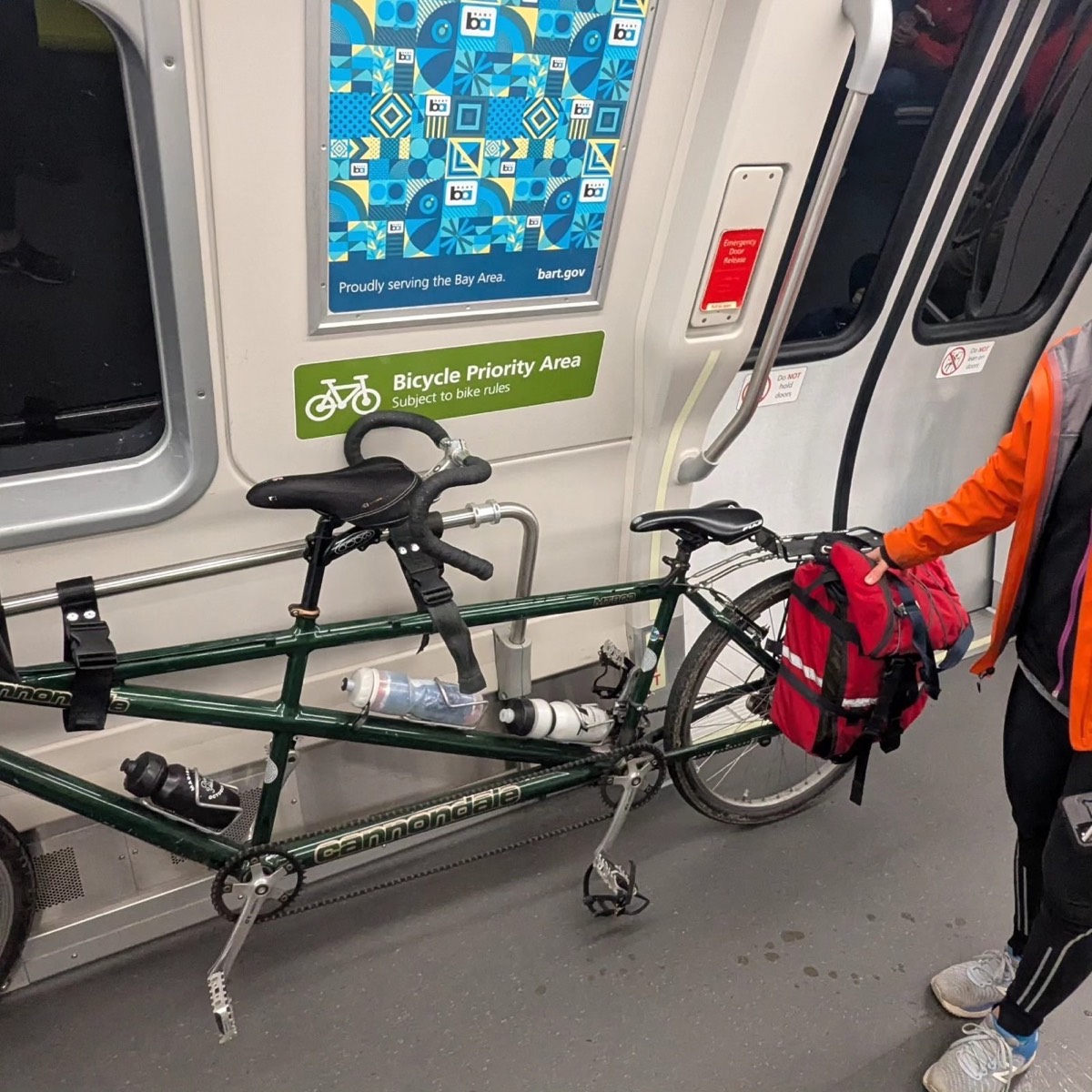
Effectively, we did a seven-year experiment in believing that crossing the United States is an insanely far distance. Which, it turns out, it is, and it has been for all of human history before the last few generations. When we finished our tour, we took the train from Albuquerque to Chicago and watched the whole thing go by. When we wanted to see the West again, we took the California Zephyr through the Rockies and the Empire Builder past Glacier. Partway through, a blizzard dumped so much snow on the Sierras that the tracks had to be physically cleared, and the trains past Salt Lake City were cancelled, so we ended up spending a few extra days in Glenwood Springs waiting for the line to reopen. If we’d been on a plane, the airline would have just rerouted us some other way, and if we’d been in a car, the plows would have had the highway open much faster, or we could have just gone a little farther south. But the train only goes where the track goes, so clearing the path took about as long as it would have decades ago, and we had to wait out the very real physical connection between where we were and where we were going. It’s honestly kind of wild to think about, that there’s a single continuous chain of iron running all the way from Chicago, where we met, to Berkeley, where we live today, and that the whole time we were sitting in Glenwood Springs, the only thing standing between us and California was a few miles of it buried under snow. That trip took a little over two weeks, and I came away with a much better sense of how the West fits together than I ever got from flying over it.
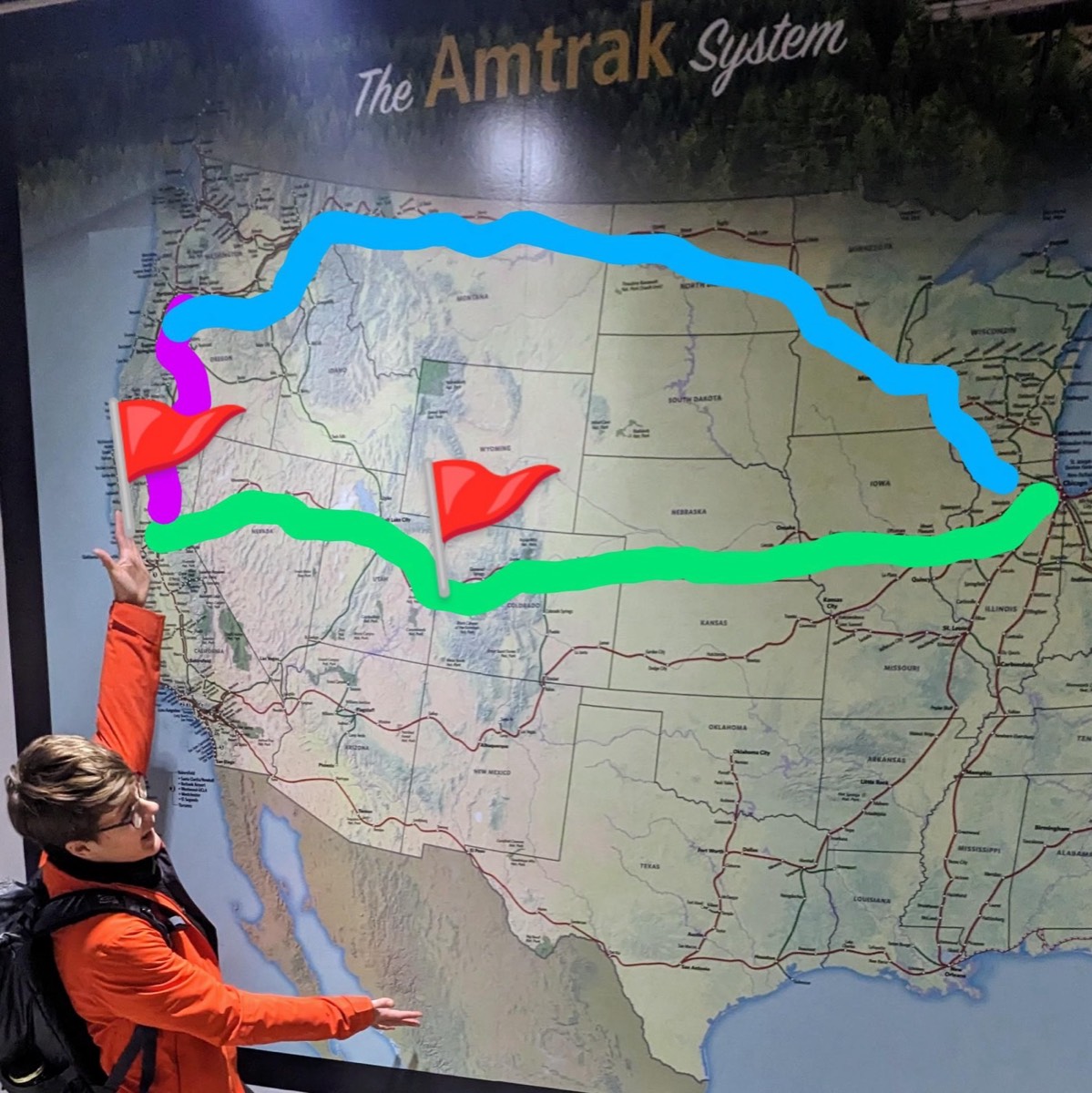
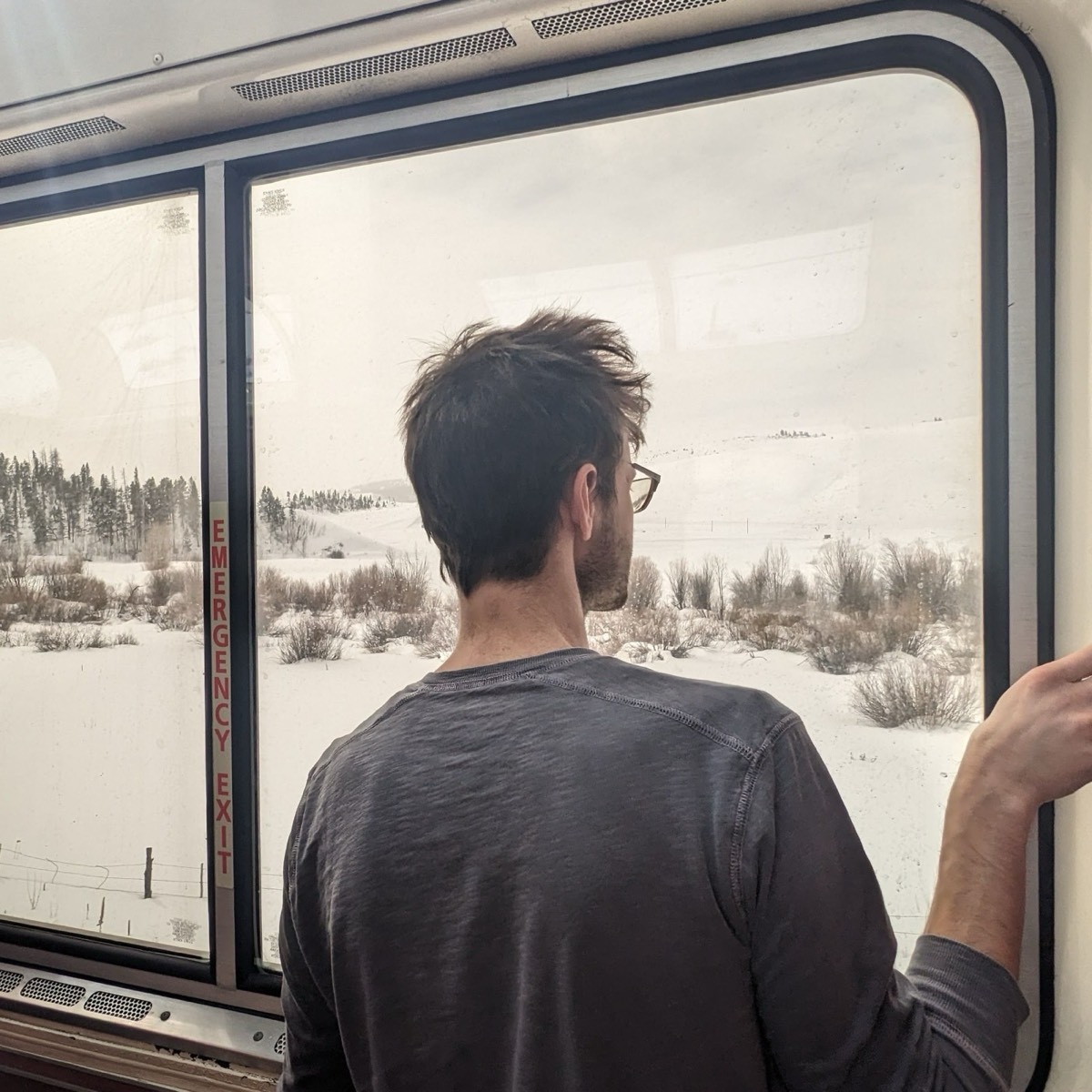
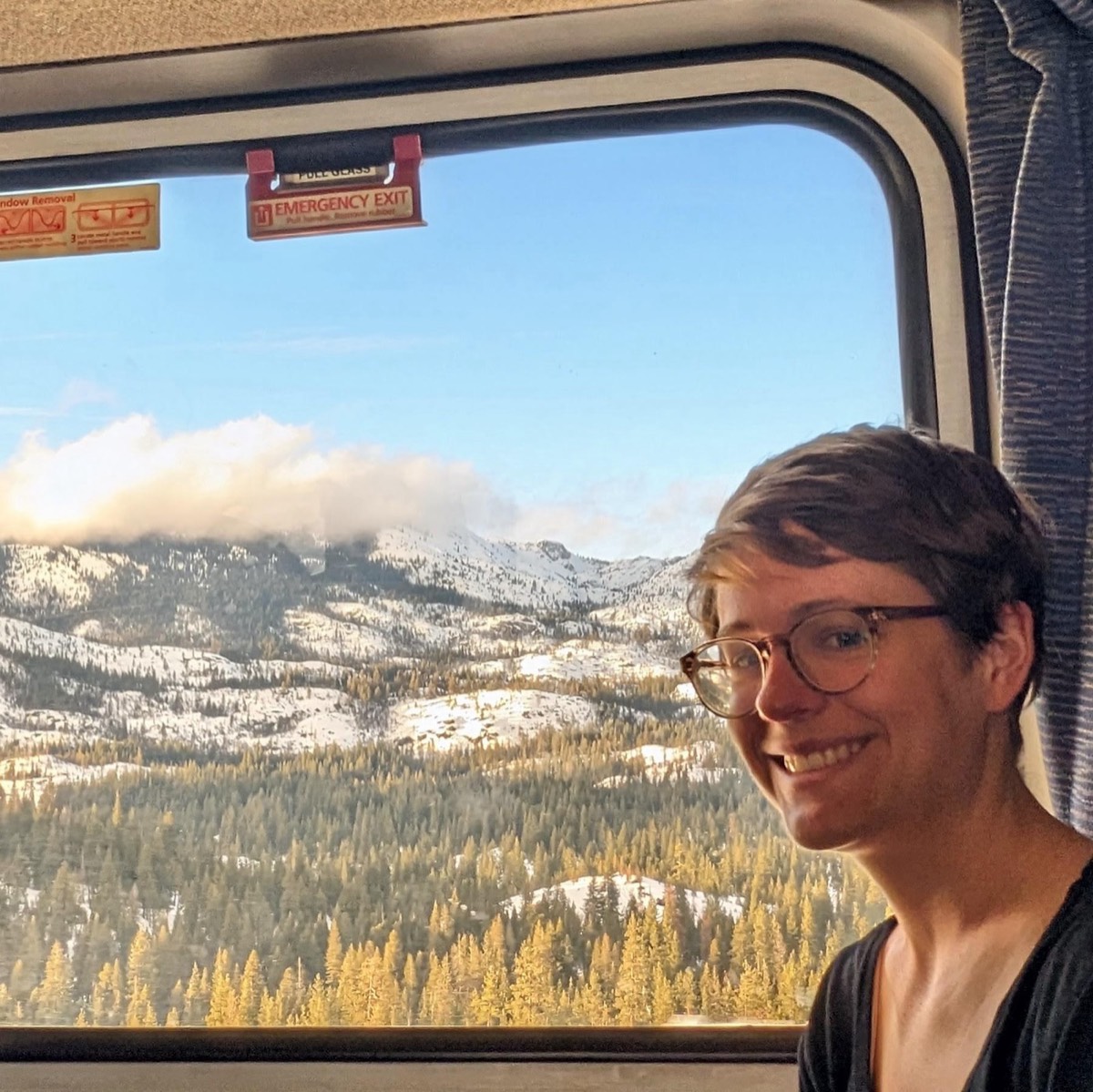
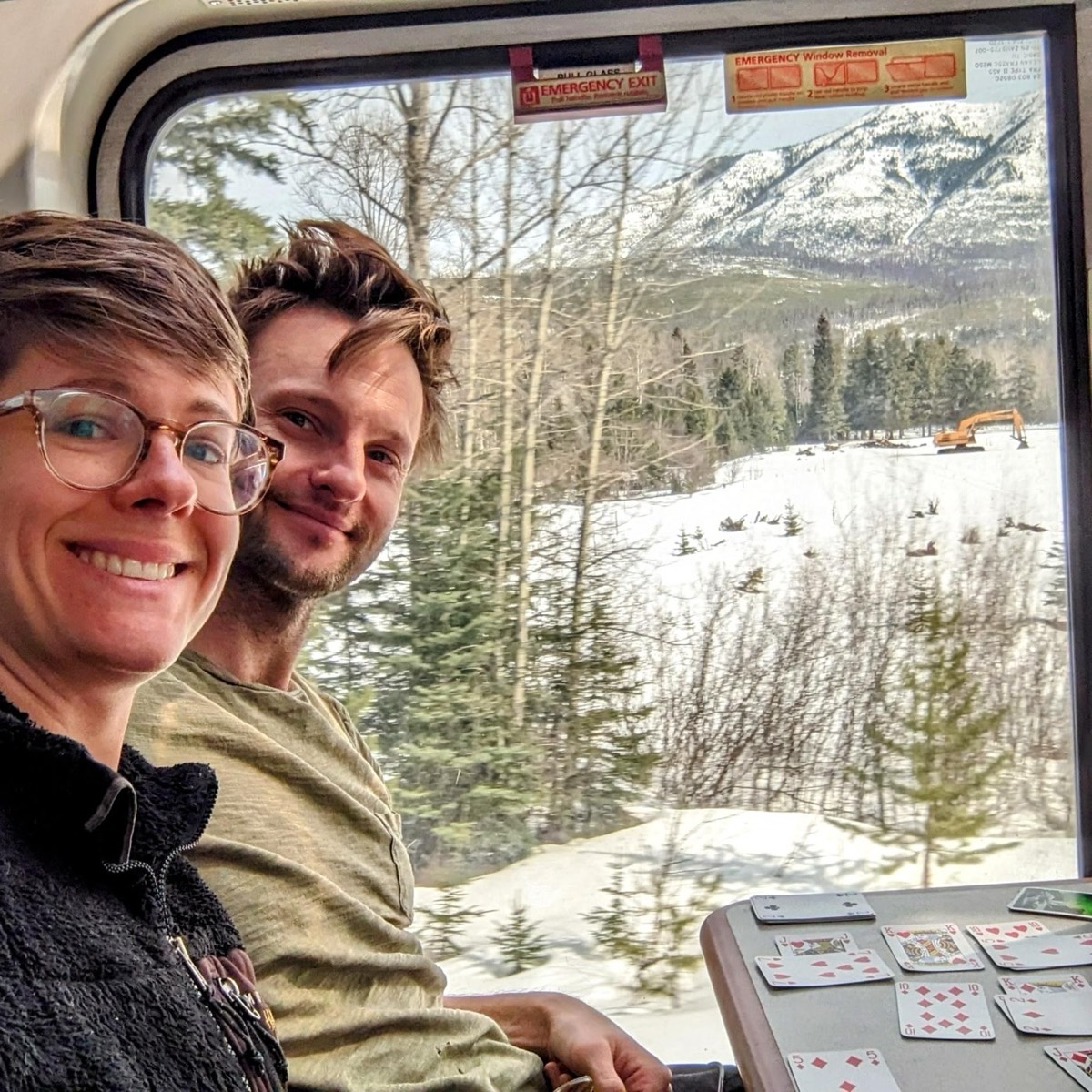
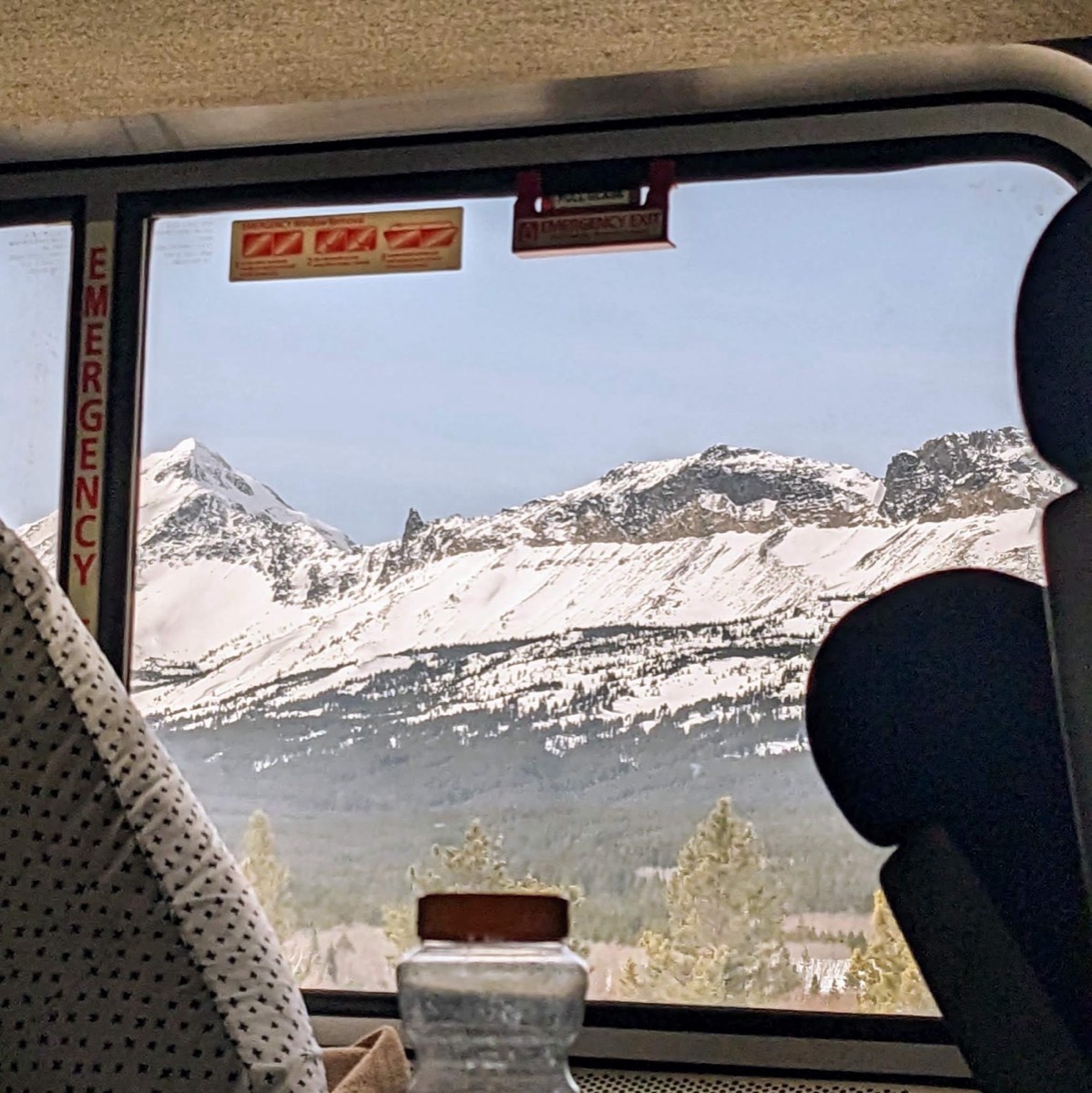
I’ve come to believe that traveling that far should be experienced, rather than slept through on a plane. Looking out the window of a train, or riding a bicycle through someone else’s neighborhood, should be how you move through the world. You see the land change and the towns get farther apart and closer together, and you get a sense of how big things actually are.
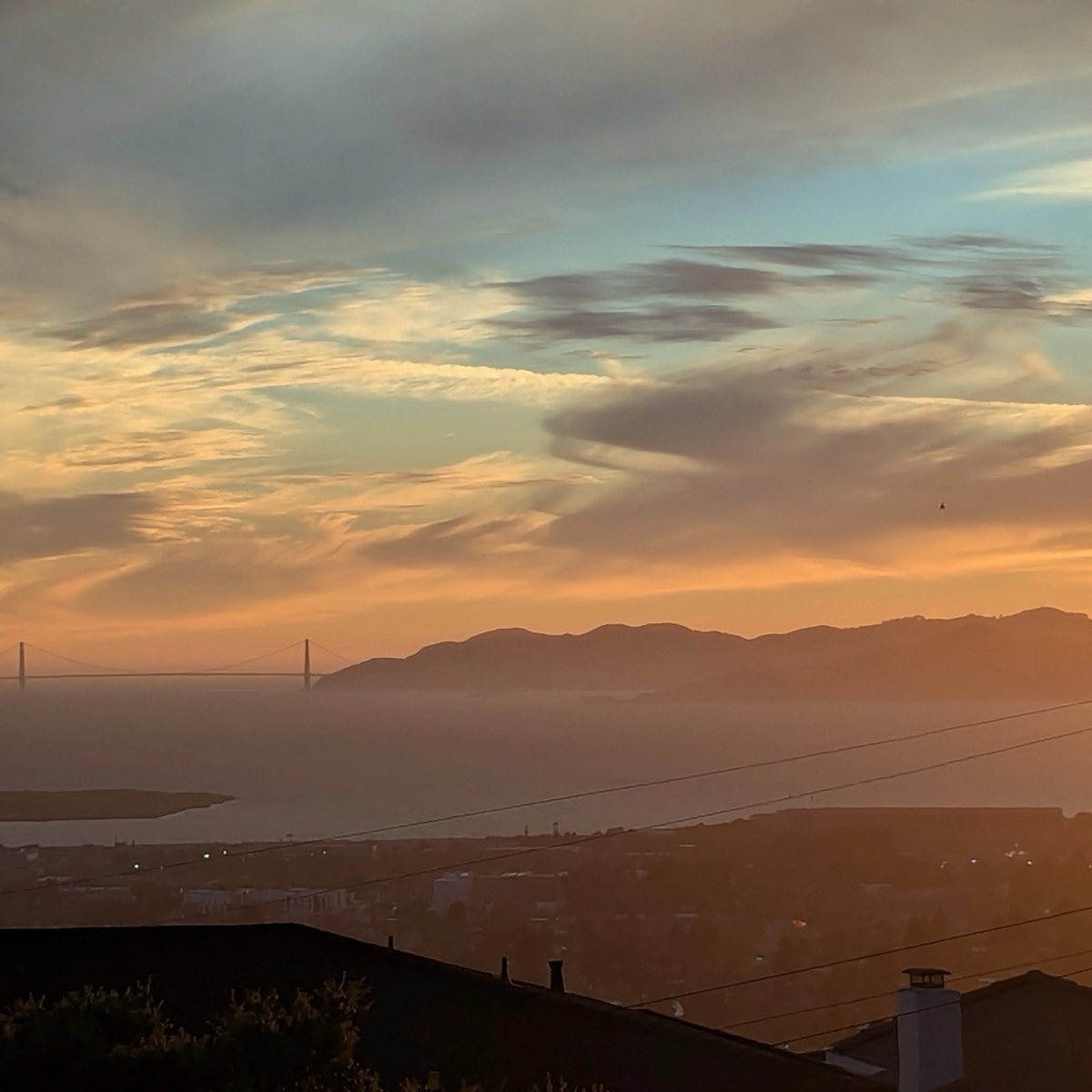
Our era of magically teleporting to faraway lands devalues all of that. When you can be in Japan tomorrow, everything in between becomes empty space that you’re trying to skip. And I’d argue it even devalues the destination. I could go to Japan tomorrow and “experience” something “new,” but I’ve started to suspect that anything I can get to that easily has already been packaged up for people like me who are just passing through, and that the experiences that really change you are the ones that take a lot more than a plane ticket to reach. And because I’ve decided that isn’t an option for me, I value being in Berkeley more. I value the hills I can bike to. I value the fact that a weekend on the Coast Starlight to Monterey feels like a real trip.
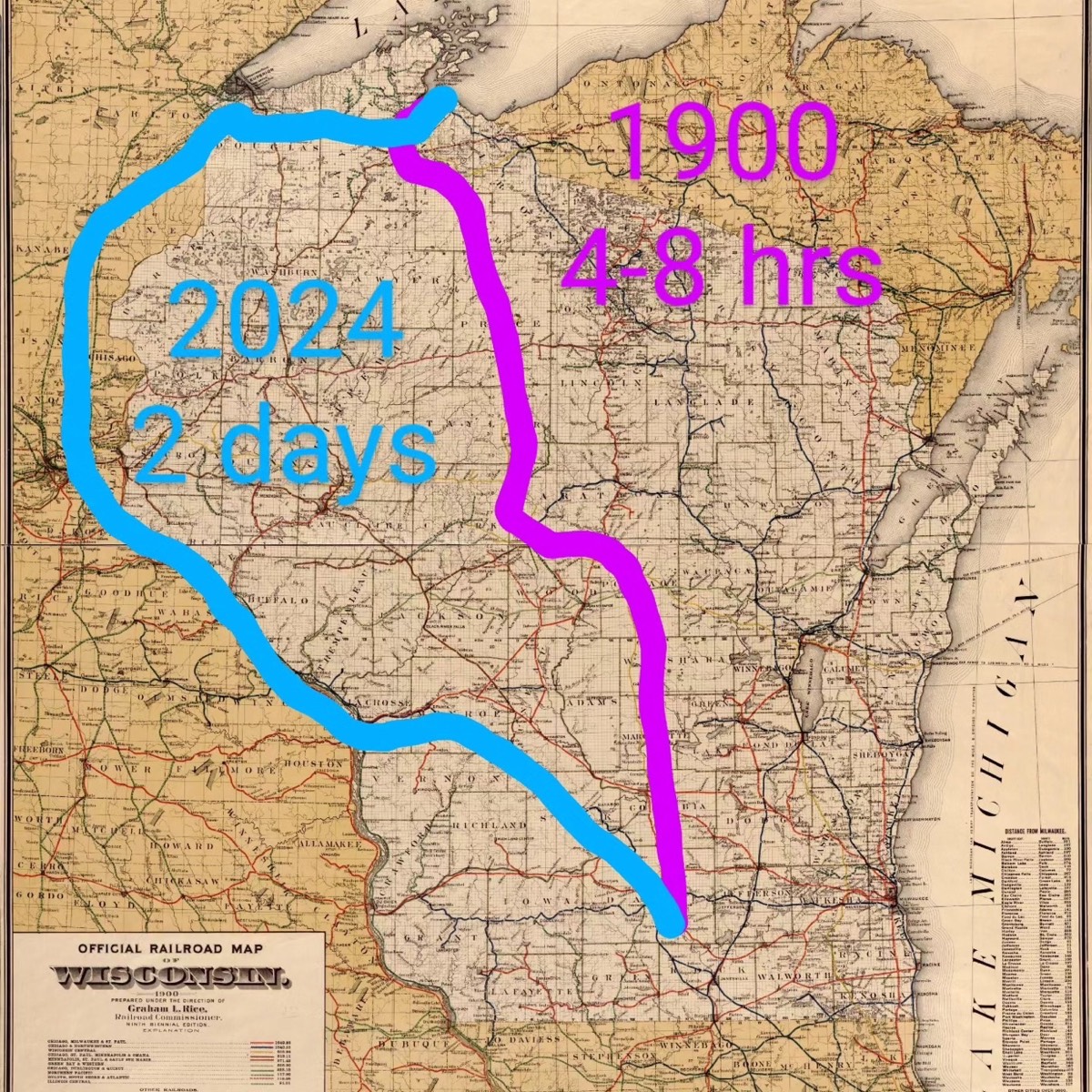
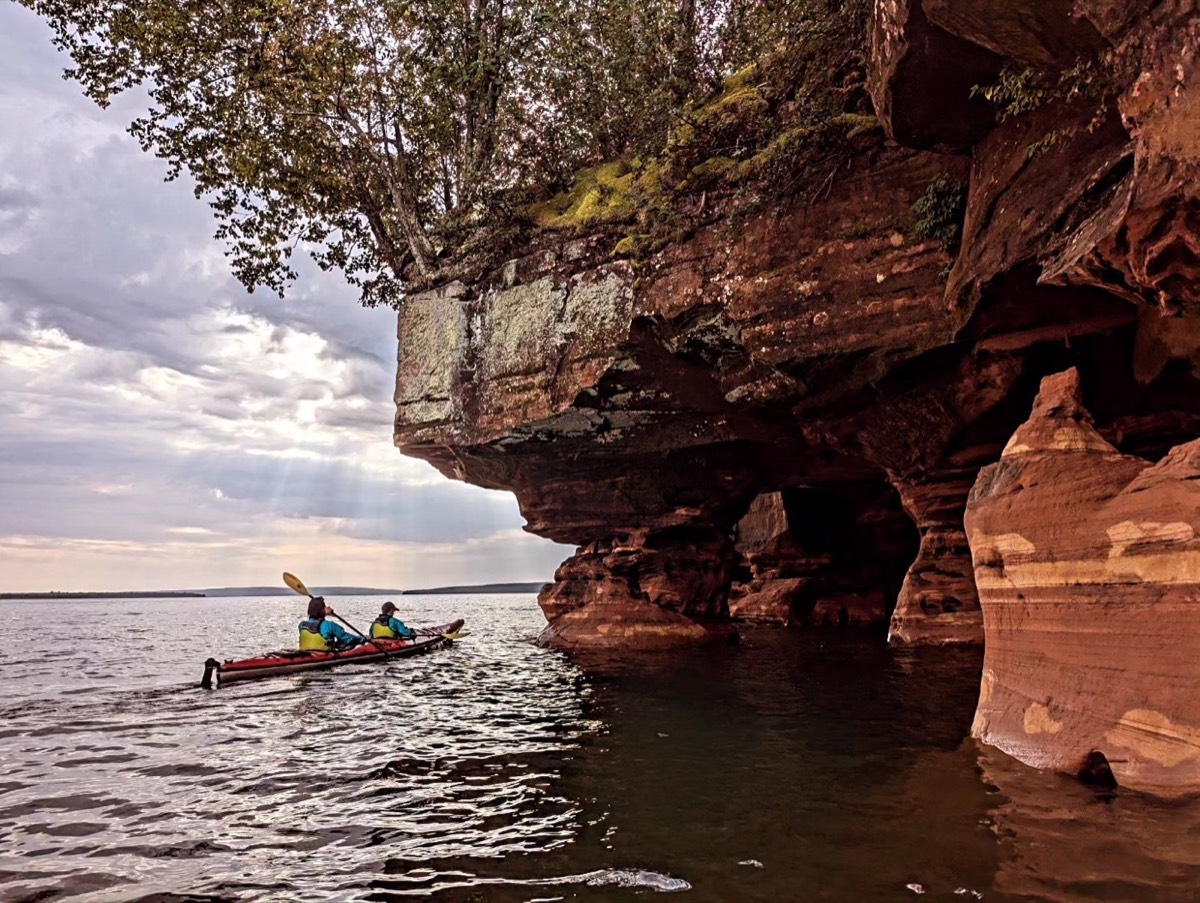
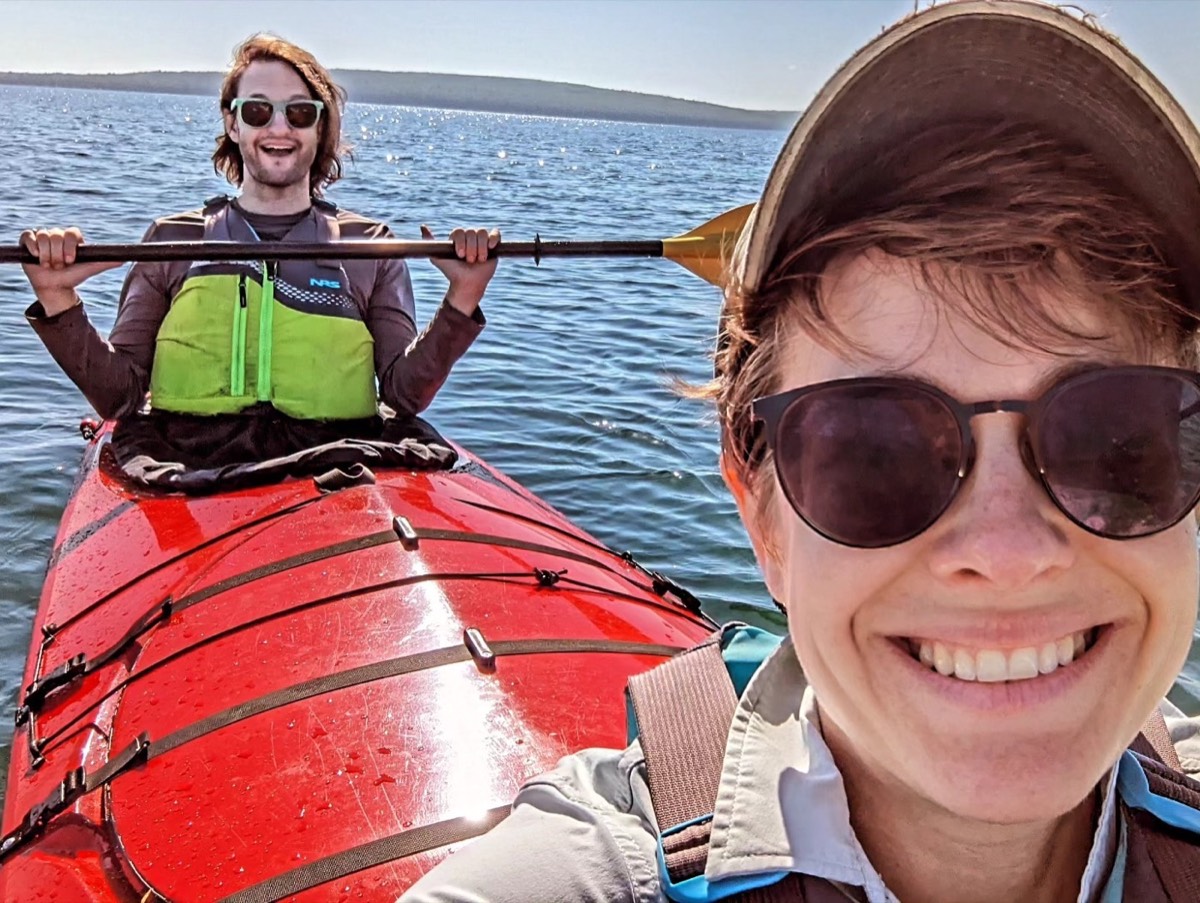
The same thing happened when we lived in Madison. We moved there after the tour partly to live closer to our families in the Midwest so that we didn’t need to fly to see them. And because we’d taken flying off the table, Wisconsin had to become our whole world, and it turned out to be plenty big. We rode out to Blue Mounds every year and took friends. We skied across the frozen lake and took the bus to the arboretum with skis in tow. We spent four days stringing together three different rural bus agencies just to get to the Apostle Islands, a trip that used to be a few hours on the railroad back in 1900, and by the time we got into our kayaks in the sea caves it felt like a real expedition, even though it was only a few hundred miles from home.
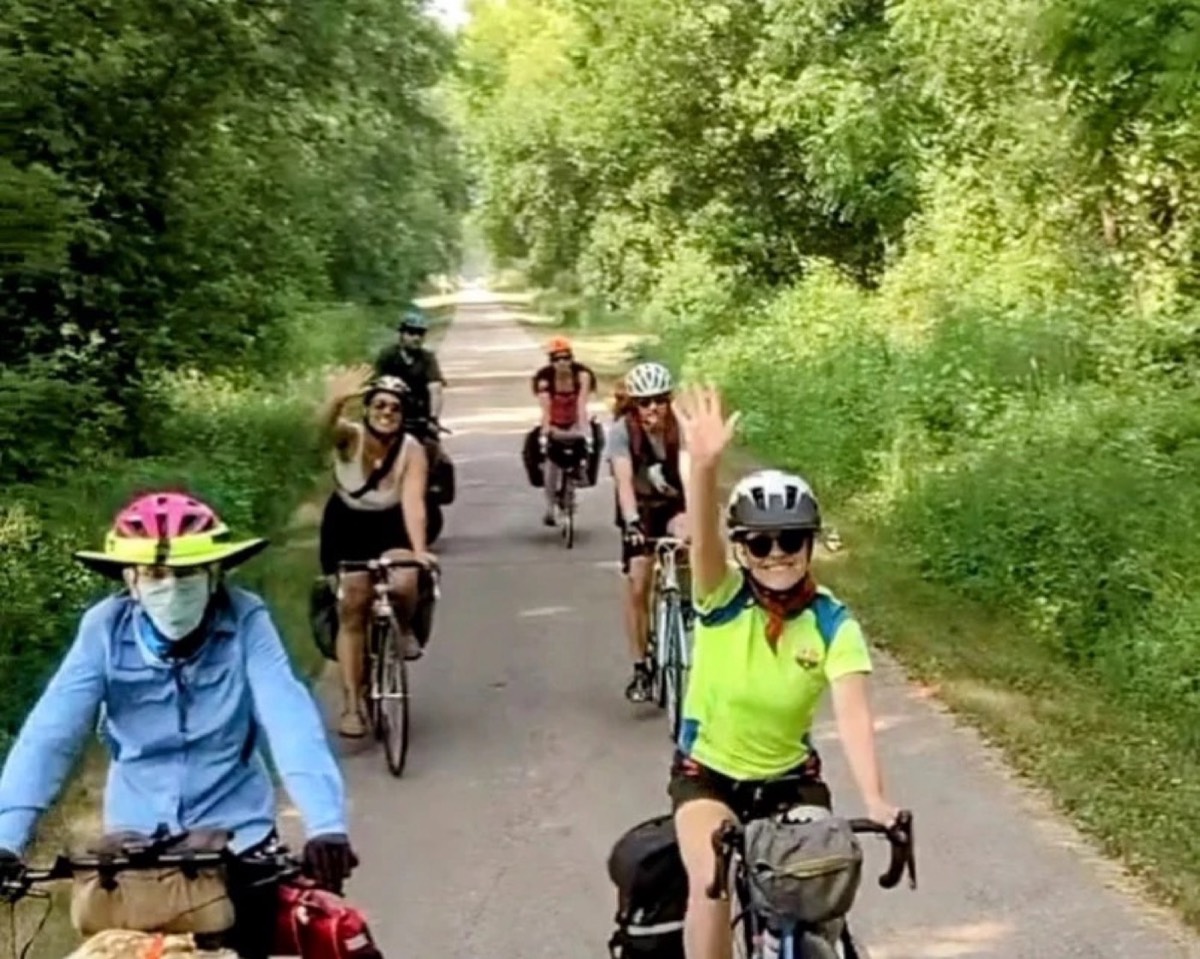
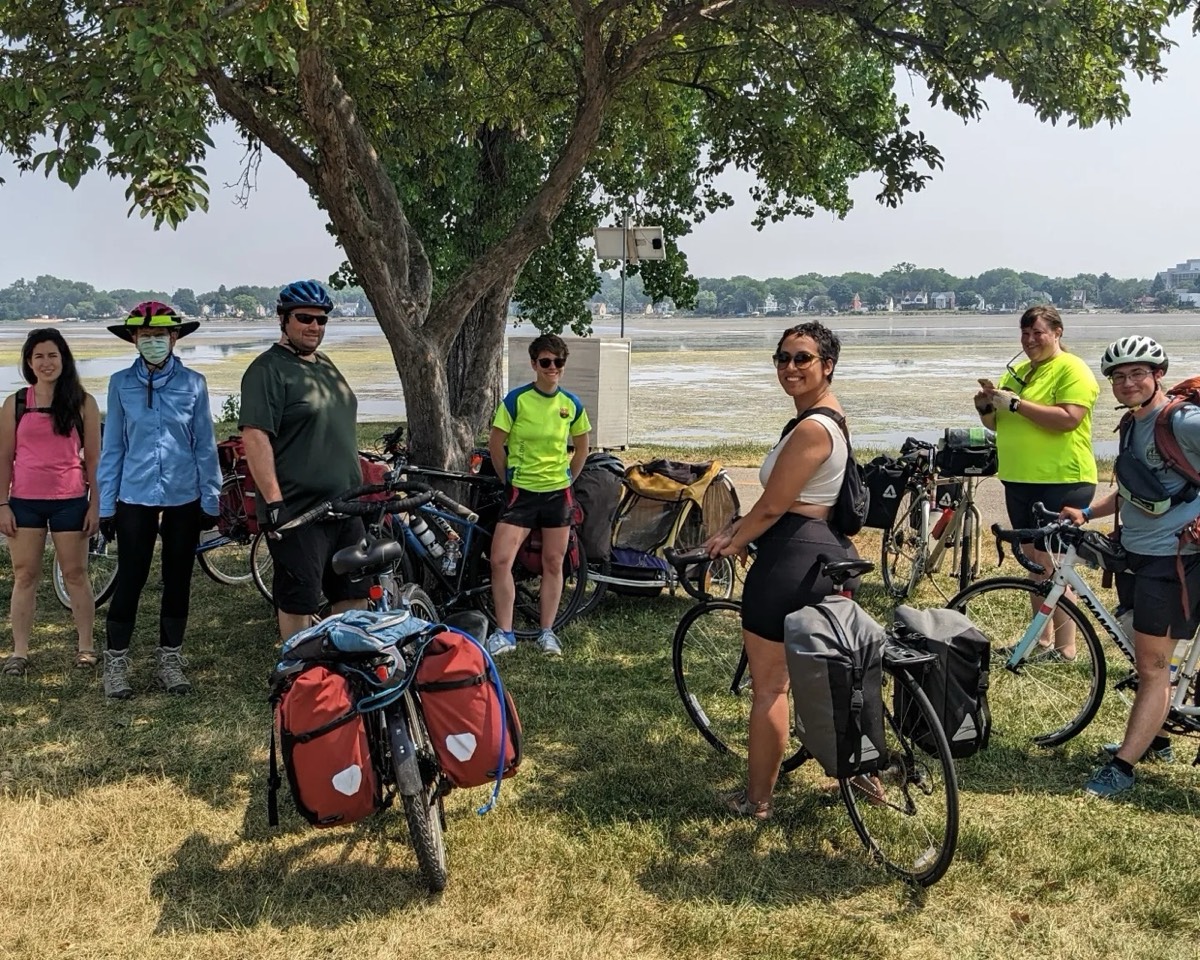
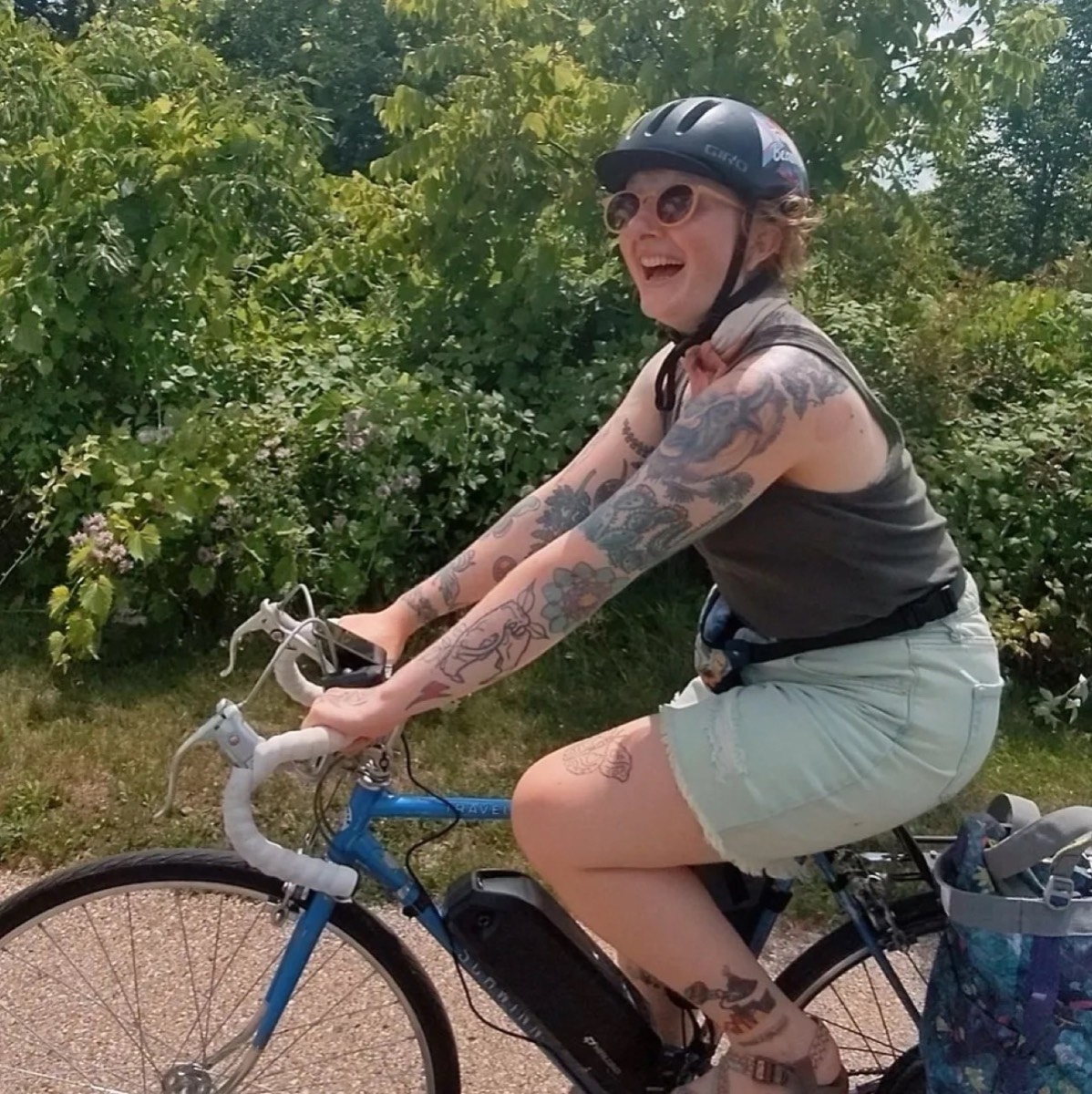
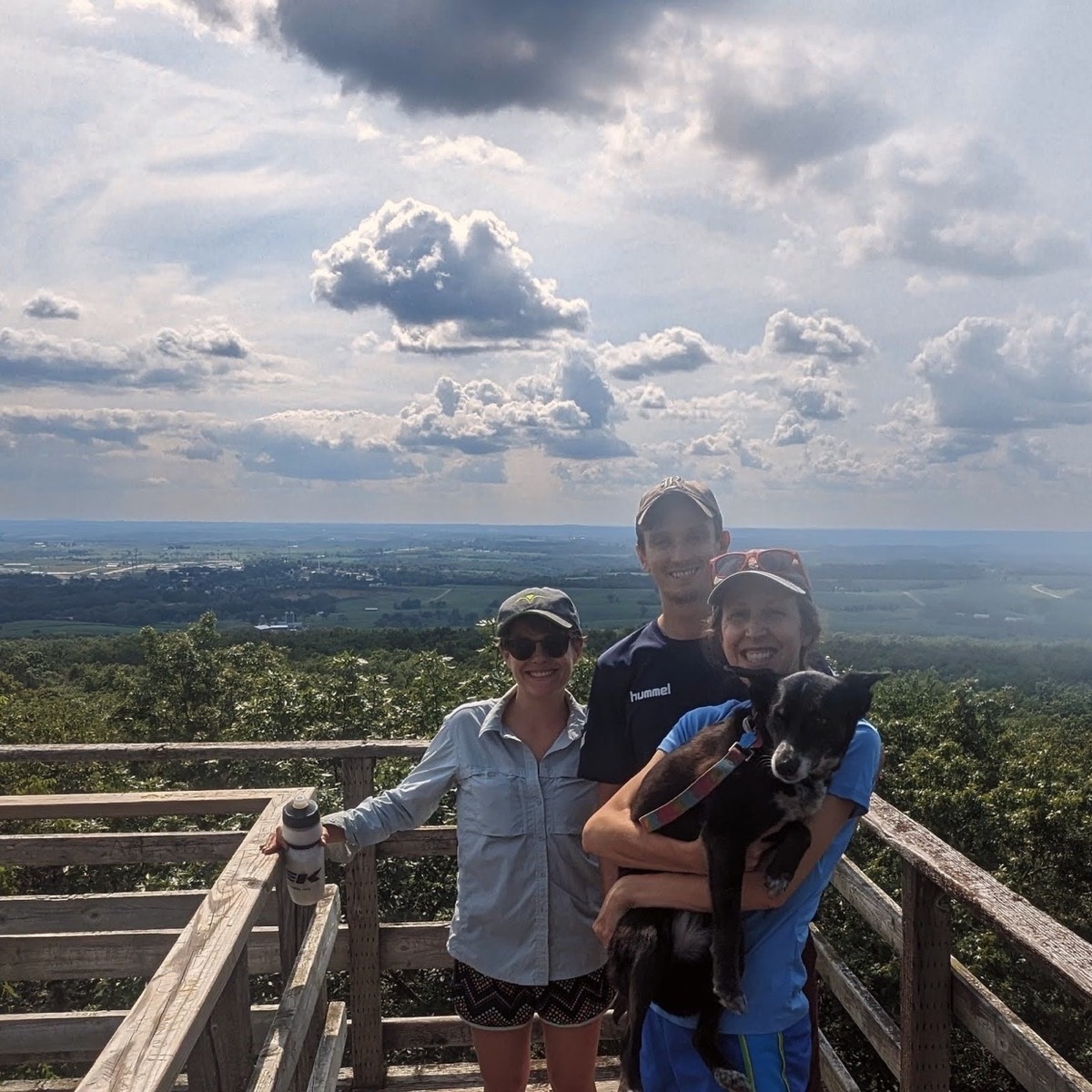
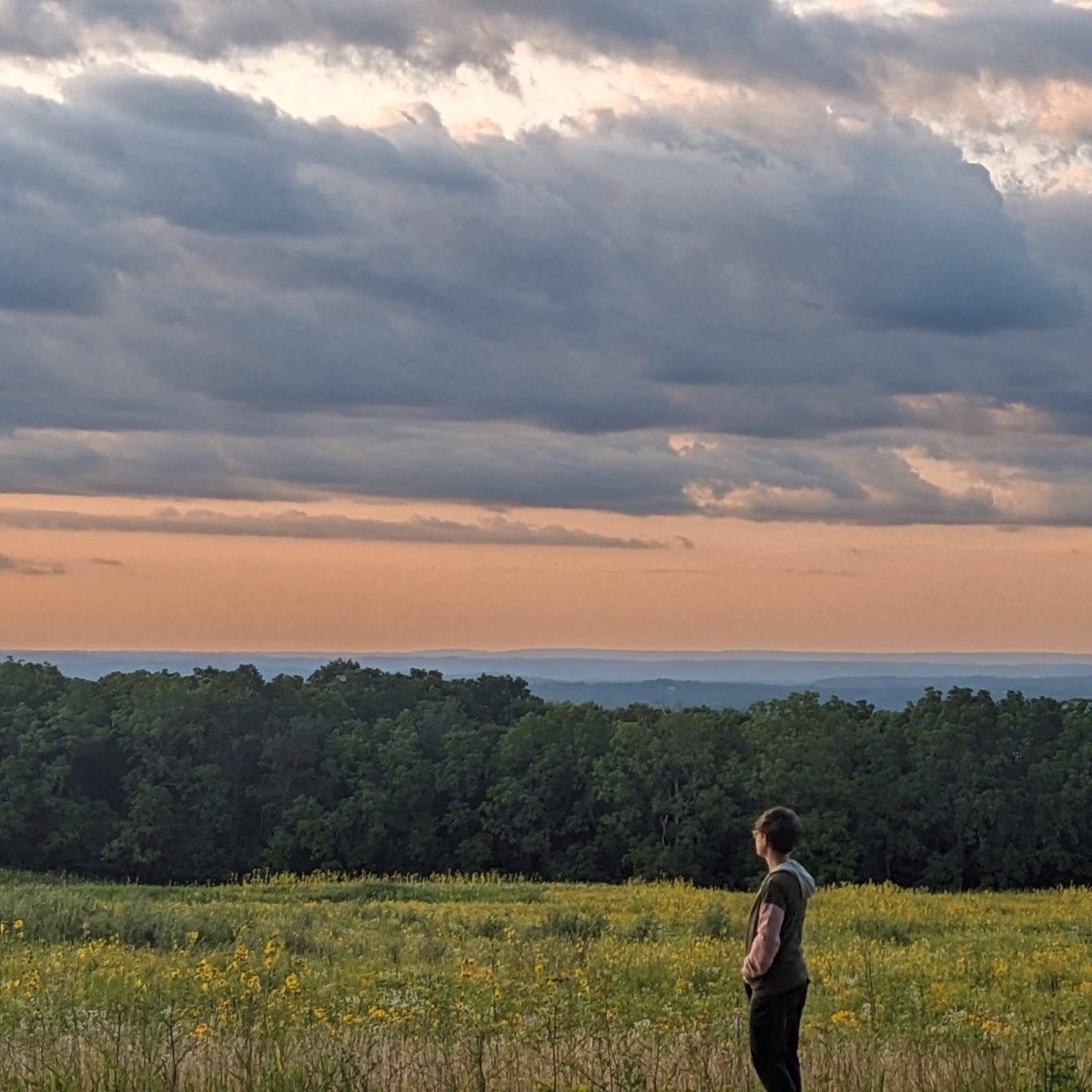
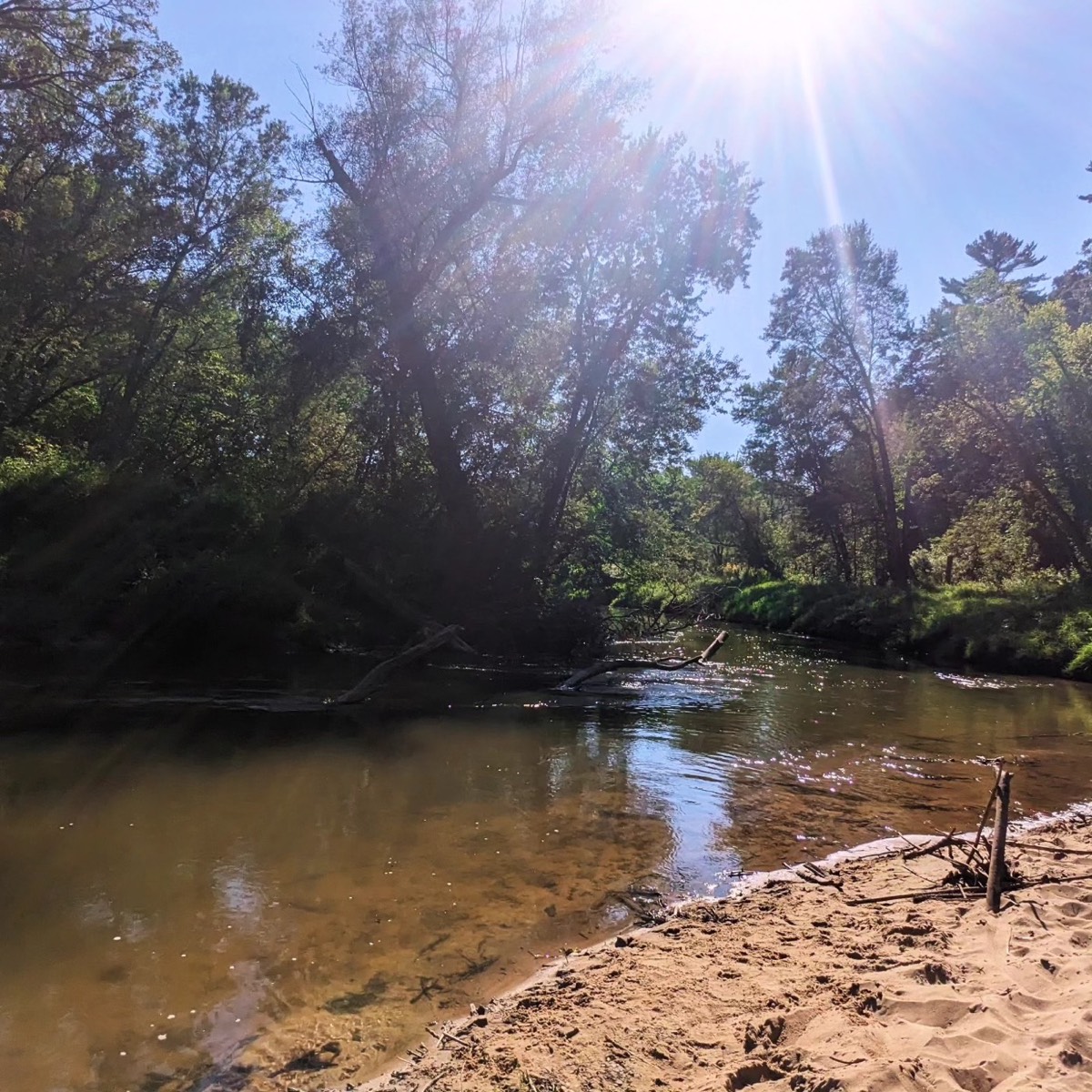
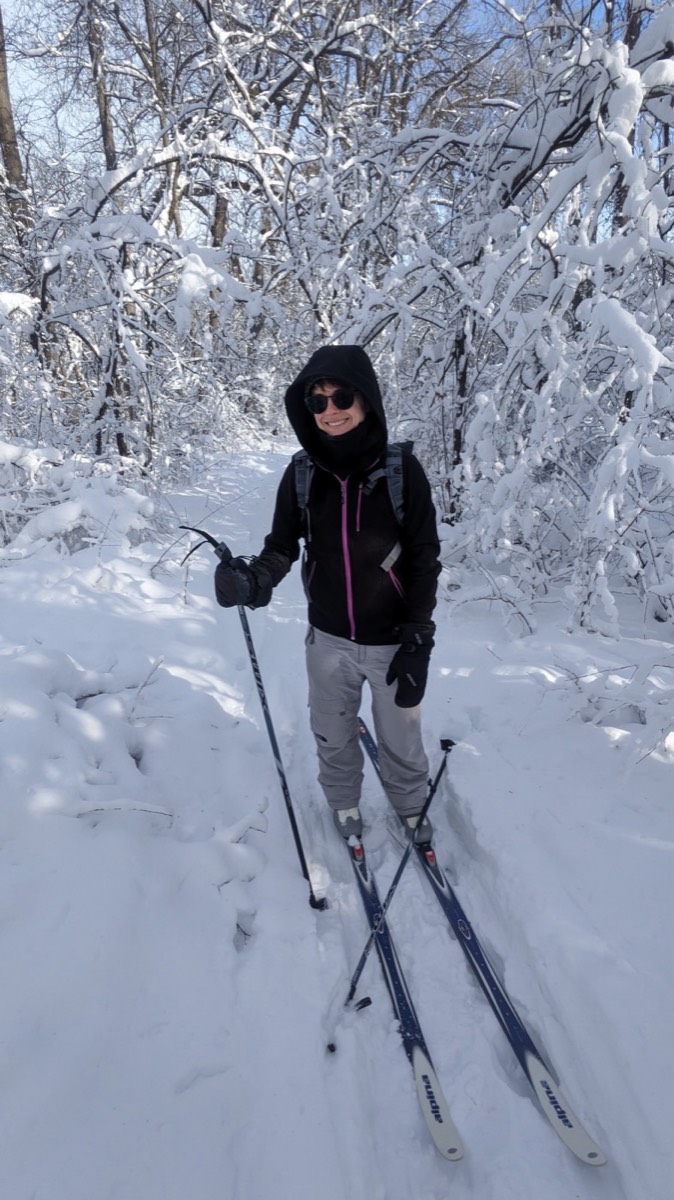
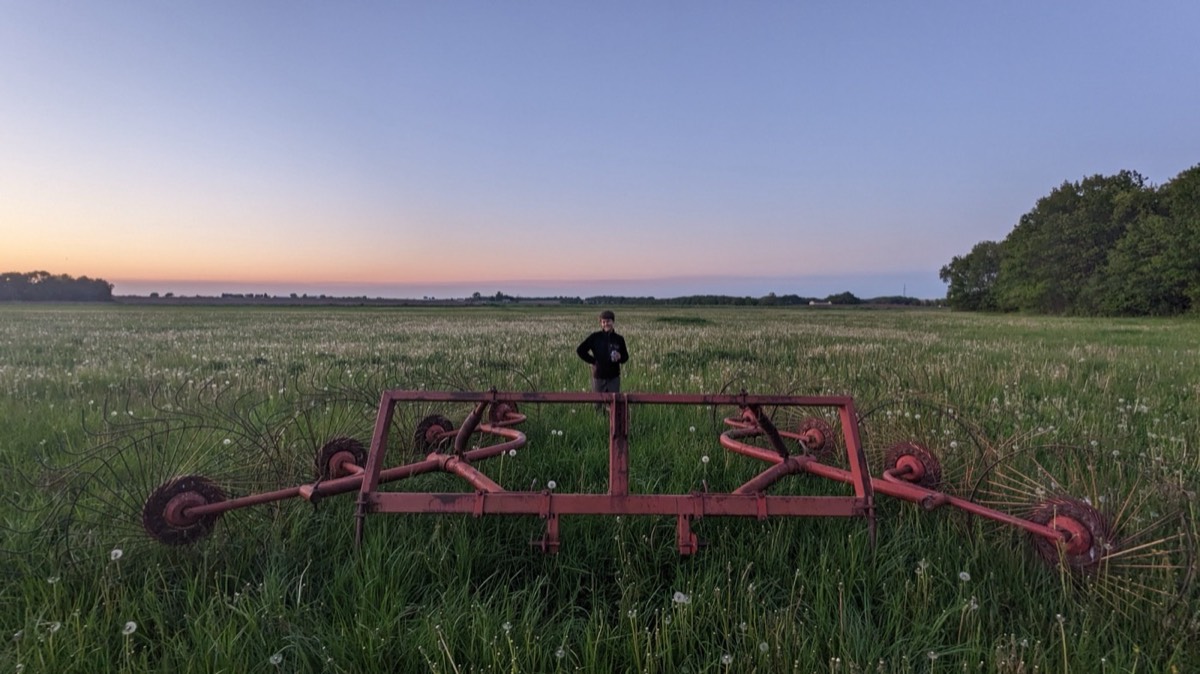

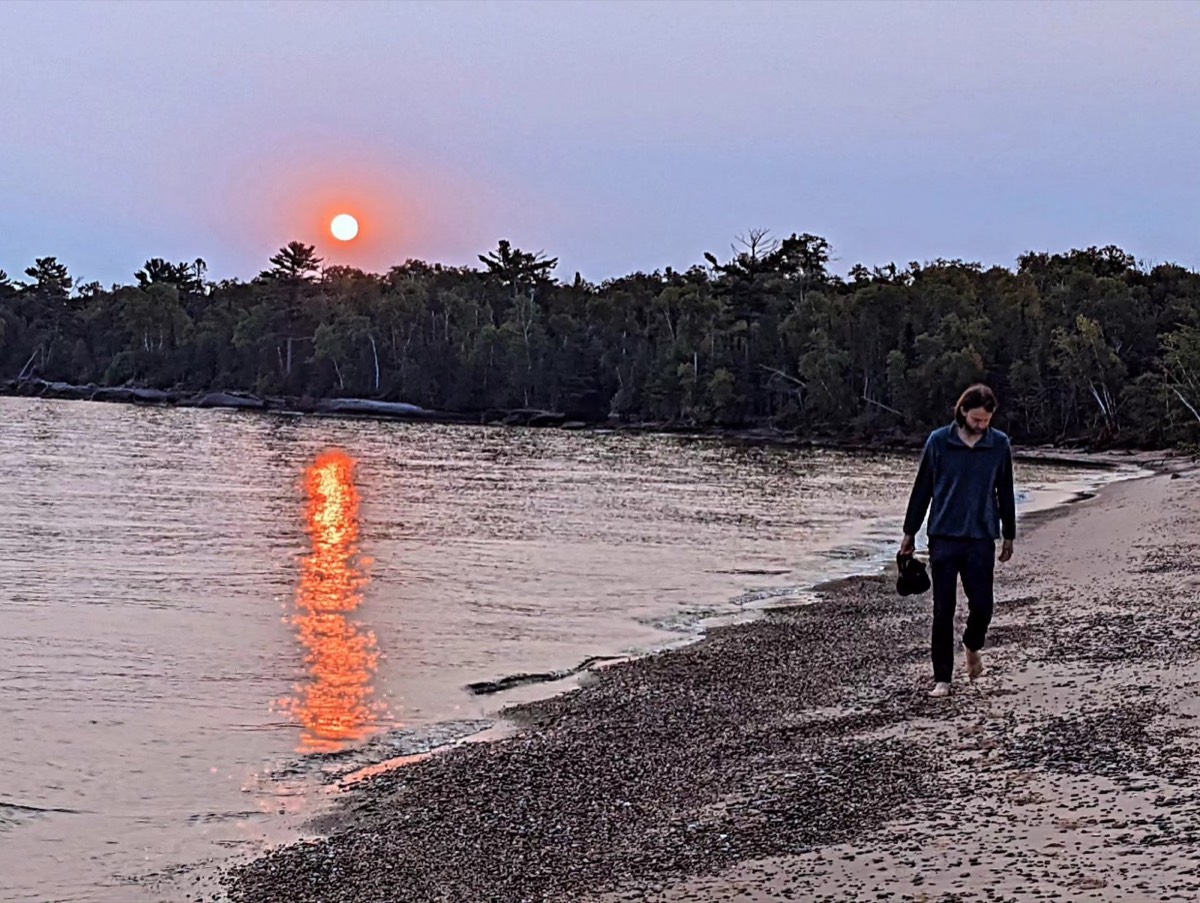
In a way, everyone’s world is always the size of the places they can reach, and for most people today that just happens to include anywhere with an airport. The difference is in how you fill it in. You can have a single line sketch of where you live, and then another single line sketch of ten other cities and attractions scattered around the globe, or you can spend your time filling in all the detail of the tapestry that’s right around you. What we spent seven years rediscovering is that once you start filling in that detail, the world close to home turns out to be enormous. It’s big enough to spend a whole winter getting to know the trails of one arboretum, big enough that a few hundred miles of rural bus connections can feel like an expedition, and big enough that I’ll probably never run out of places within a day’s ride of my own front door. When we made everyone’s world the size of the whole planet, I don’t think we actually made anybody’s world any bigger, we just made all of it feel a little bit smaller, and I’m really grateful that we got the chance to make ours big again.
Relenting
The last part is the one I have the most mixed feelings about.
In 2025 we moved back to California to start our family. It was the right decision for lots of reasons, but it broke one of the core principles that had held the whole thing together. Our families are in the Midwest. Taking a newborn on a three-day train ride each way to see grandparents isn’t really workable, and neither is telling those grandparents that they’ll only see their grandchild once every few years.
So we’ve had to relent on “never flying.” We haven’t actually gotten on a plane yet, but this Christmas we’re going to fly home to the Midwest for the first time since we took the pledge.
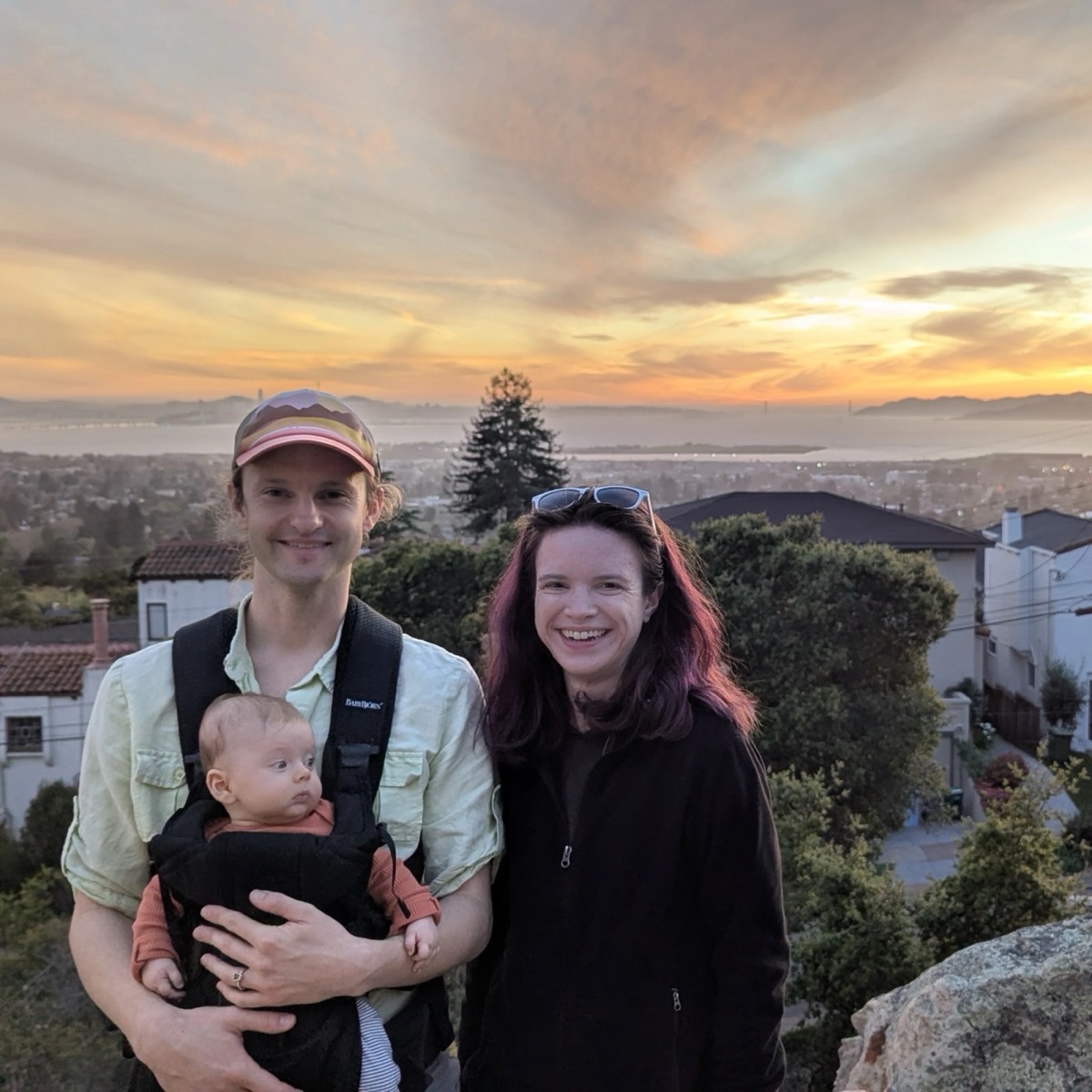
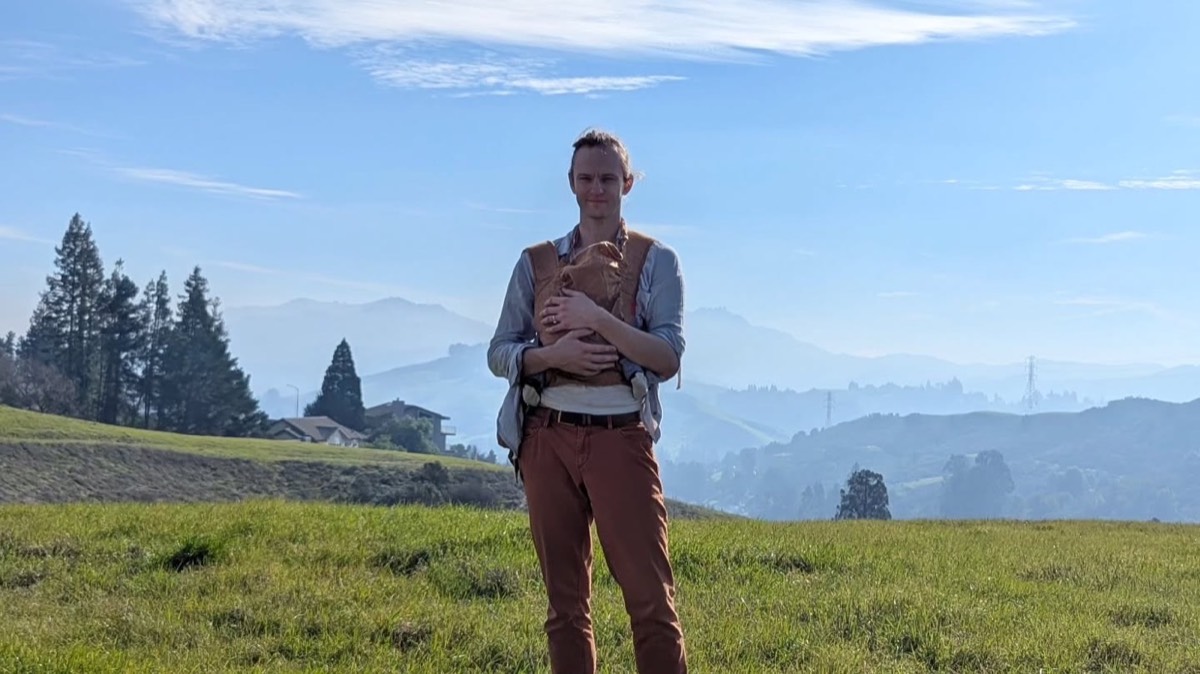
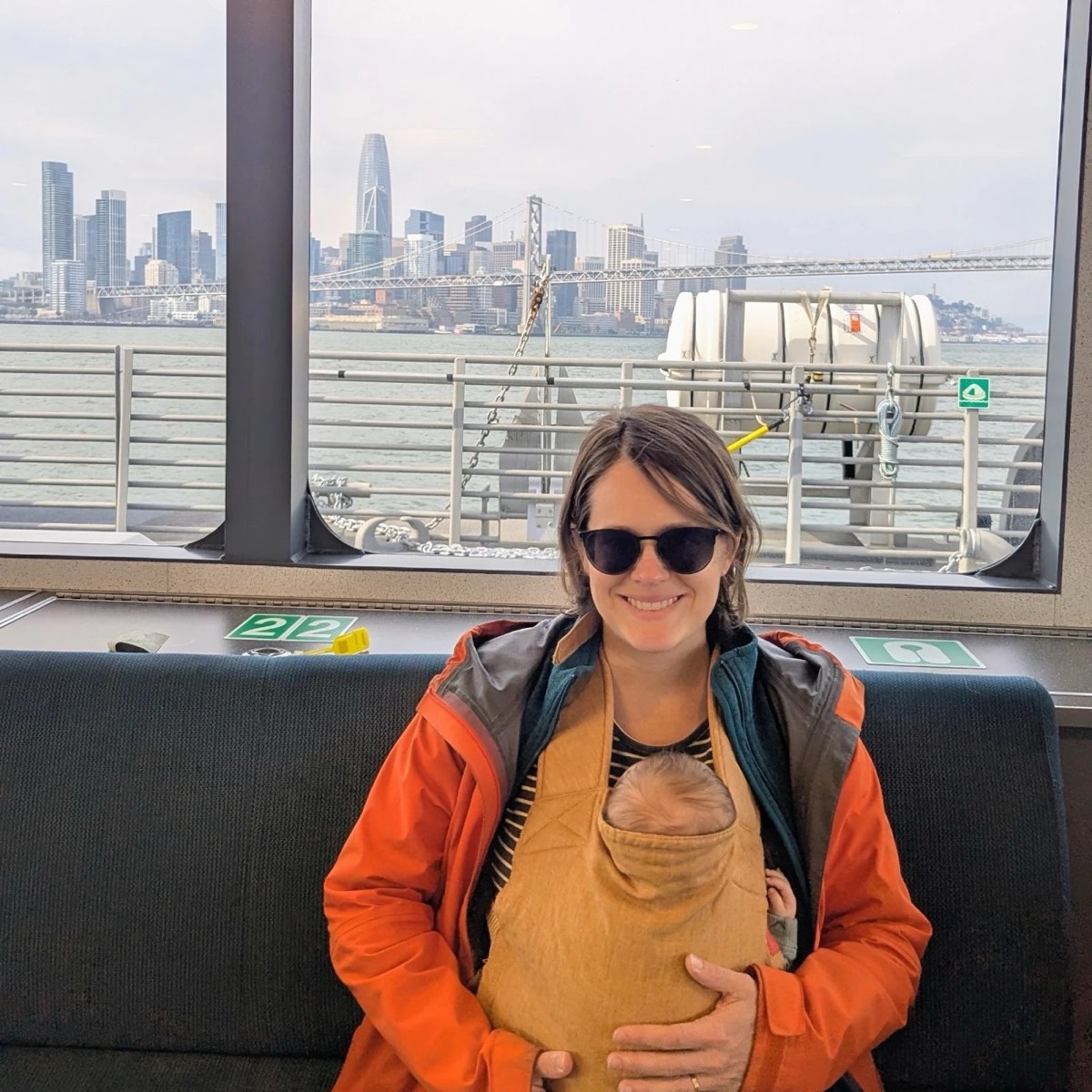
I expect it to feel strange. We’ve spent years thinking of that trip as a few days on a train, and now it’s going to take an afternoon. But the years on the ground have already changed how we’re planning it. We’re going to be home for three weeks, and we’re trying to see every friend and relative we can while we’re there. If we’re going to spend that much of our share on one trip, we want to get as much out of it as possible, and a long weekend doesn’t make sense for a distance that big.
Looking back, the experiment didn’t start a movement, and it didn’t change anything measurable about the climate, but it did change how we think about distance, and I expect that part to stick even after we get on the plane. It’s also left us feeling a lot less alone than we did on that ride across the desert in 2022. Living in Berkeley, we’ve gotten to know more people who have gone flight-free than we ever met anywhere else, and it’s honestly been amazing to find that kind of camaraderie with people who made the same strange choice and came out the other side just as glad they did. So even with the Christmas trip, we’re planning to stay flight-light for the next several years, and to only fly when it’s really the one way to keep our family close.
And we do have big plans for later on. Once our family has grown up a bit, we want to travel through Asia and Europe, and because we’ve learned to take a distance that big so seriously, I’m pretty sure those trips won’t end up as quick hops between airports. They’ll be long, slow, epic adventures, the kind where you spend months getting to know a place rather than a long weekend.
I still think about that single chain of iron running from Chicago to Berkeley, and how it connects the place where our story started to the place where we’re living it now. Someday we’ll take the train back across it with our daughter, and I hope she gets to watch the whole country go by the way we did, and arrive knowing exactly how far she’s come. And when she’s old enough to decide for herself how big she wants her world to be, I hope she at least knows how much there is to fill in close to home first.